A Wild History Of Smelling Human
 0
0
 0
0
 0
0
0
0
There are moments in history that prove humanity has always been a curious, chaotic bunch. We built pyramids without cranes. We sailed entire oceans without GPS. We invented cheese, which still feels like a dare gone right. But nothing showcases human creativity and desperation quite like the long, messy road that led us to deodorant.
Deodorant is so normal today that we forget it is one of civilisation’s greatest public service announcements. There was a time when people simply accepted that everyone smelled like hard work, fear, and regret. A time when a crowded room was basically a biological hazard. Humankind did not begin life smelling like a crisp spring breeze. We smelled like ourselves. And ourselves needed help.
The earliest attempts at fighting body odour date back thousands of years. Ancient Egyptians, known for eyeliner sharp enough to slice a coconut, were also among the first to wage war against armpits. Their solution was perfume. Not classy perfume. Not subtle perfume. No. They mixed oils, spices, flowers, and resins into thick pastes that they smeared under their arms. Imagine a deodorant that melts in 40-degree heat and slowly slides down your ribs like an emotional breakdown. That was daily life.
But Egyptians also believed body odour attracted evil spirits. This added pressure. It was not only about smelling fresh for social purposes. It was spiritual pest control. So they worked hard at covering every scent that might suggest weakness. Body odour, in their eyes, was an invitation for the supernatural to come knocking. So they fought it with the enthusiasm of someone trying to escape a gym contract.
The Greeks approached the problem with confidence. Greek athletes competed in scorching heat with the crowds looking on. Sweat was inevitable. So they created a ritual where they covered themselves in oil before exercise, then scraped it all off with a tool called a strigil afterward, capturing sweat, dust, and oil into a magnificent mixture. This was then sold as medicine. Sold. To people. Who believed it cured everything from aches to skin issues. There is entrepreneurship, and then there is whatever that was.
The Romans, not to be outdone, used scented oils and public baths to manage the smell. But there is a detail we do not often discuss. Those baths did not get drained daily. Or weekly. The water often remained for long periods while hundreds of people rotated through. It was the equivalent of bathing in communal tea. This did not eliminate odour. It simply redistributed it evenly.
Fast forward to medieval Europe, where bathing became suspicious. Yes, suspicious. People believed water carried disease. The logic went something like this. If water touches your pores, the disease outside can walk in. So many citizens avoided bathing unless absolutely necessary. Body odour was accepted as part of the wardrobe. Like a cloak, but invisible and much more assertive. Perfumed sachets became the solution. People hung small bags of herbs under their clothing. Think of it as early deodorant mixed with desperation.
Then came the Renaissance, where hygiene improved slightly, although not enough to brag about. People still scented themselves heavily, sometimes to the point where one wrong movement could trigger a coughing fit from anyone nearby. Perfume was used as camouflage instead of solution. It was the olfactory version of painting over mould.
By the eighteenth century, people grew more aware of the need for personal cleanliness, although the tools were still limited. Some rubbed vinegar under their arms. Yes, vinegar. Imagine walking around smelling like a salad. It was believed to kill bacteria, and while it likely helped, it also created a new perfume profile called tangy regret.
But the real chaos arrived in the nineteenth century. This is where we meet pioneers who tried so hard to help humanity smell less like livestock. Their inventions were bold. They were also occasionally unhinged. Some early deodorants used acidic compounds that burned the skin. Others stained clothing so badly that people had to choose between smelling unpleasant or looking like they had been attacked by a rogue ink pot.
The first commercial deodorant appeared in 1888. It was called Mum. A cream deodorant applied with the fingers. It worked reasonably well, but applying it manually was an intimate experience most people were not emotionally prepared for. Imagine being half asleep in the morning and needing a fingertip to the armpit. It was a whole relationship.
Then came Everdry in 1903, the first antiperspirant. It stopped sweat by clogging pores with aluminium chloride. Effective, yes. Pleasant, not quite. It stung. It burned. It caused irritation. It created dramatic scenes in bathrooms everywhere. The instructions warned users not to apply it to recently shaved skin. People ignored this, because people always ignore warnings, and many learned valuable lessons about chemical reactions.
Through the early twentieth century, deodorant advertising exploded. Companies realised something profound. Human insecurity sells. So they launched campaigns telling people that if they smelled unpleasant, they were doomed socially, romantically, and professionally. This was manipulative, but also incredibly effective. Within a few decades, deodorant went from optional to essential.
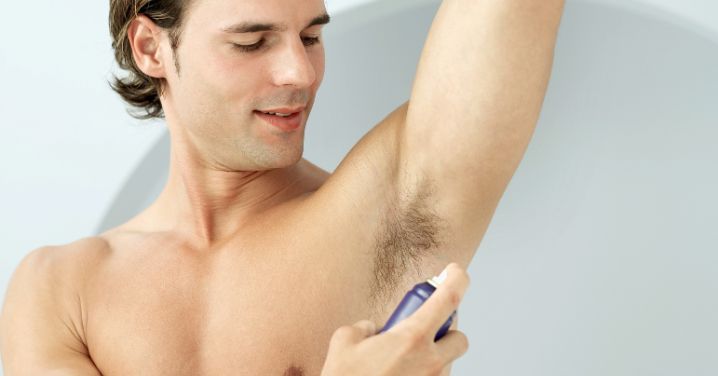
Modern deodorant, the spray and roll-on wonder we know today, arrived in the mid-twentieth century. Technology improved. Formulas became gentler. Scents became less aggressive. The world finally reached a point where you could visit a gym without feeling like the air was waging psychological warfare.
And here we are now. A world where deodorant is automatic, normal, and expected. A world where people judge each other harshly for not understanding aerosol etiquette. A world where deodorant shelves offer every scent from ocean breeze to confused citrus.
But the truth that makes this history so delightful is that humans, for thousands of years, tried everything imaginable to fight body odour. When we wanted to smell good, we grabbed anything nearby that vaguely resembled a solution. Herbs, oils, sponges, vinegar, spices, sticks, perfumes, wine baths, and the astonishing belief that a perfumed pouch sewn into your clothing counted as hygiene.
The story of deodorant is not glamorous, but it is gloriously human. It is a reminder that civilisation is built on countless small victories, many of them won with determination and mild panic. It proves that creativity thrives when people are uncomfortable. And it highlights a universal truth. Nobody wants to be the person who clears a room unintentionally.
So next time you swipe on deodorant or spray yourself before leaving the house, remember the long line of ancestors who rubbed lemons on their armpits and hoped for the best. Remember the athletes scraping sweat into jars believing it was medicine. Remember the medieval citizens hiding behind perfumed bags like they were participating in a secret mission.
Deodorant is not just a hygiene product. It is a monument to human resilience. A testament to the simple, undeniable fact that people have always wanted to smell acceptable. And that we will go to remarkable lengths to achieve it.