

For years, being queer in geek culture felt a bit like playing a game on hard mode. You loved comics, video games, sci-fi, and fantasy—but rarely saw yourself in them. If there was a queer character, they were usually coded, sidelined, or, worst of all, written in only to be written out. But something’s been shifting. Slowly at first, and now with more momentum. Queer representation in geek culture is finally levelling up—and it’s making those fantasy worlds feel a little more like home.
Remember the days of reading into every glance between two same-gender characters, wondering if the writers were hinting at something or just accidentally making the subtext feel like text? Queer fans have been doing that heavy lifting for decades. But now, those characters aren’t just wishful thinking—they’re openly queer, complex, and taking centre stage.
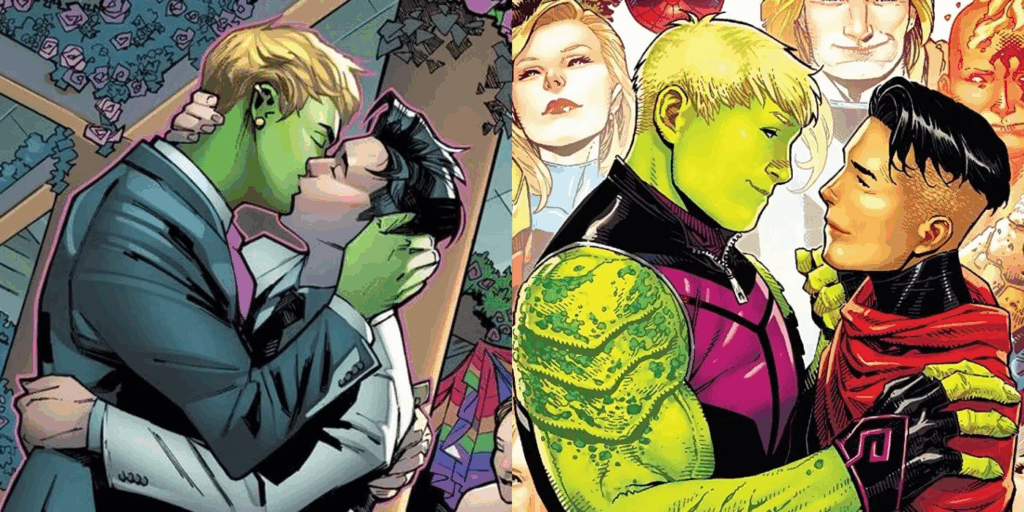
Take comics, for example. Once dominated by hypermasculine tropes and heteronormative storylines, we now have canonically queer superheroes like Wiccan and Hulkling (Young Avengers), Batwoman (Kate Kane), Iceman (Bobby Drake), and even Superman’s son, Jon Kent. These aren’t fringe characters anymore—they’re leading titles, saving worlds, and falling in love without their queerness being their only trait. They’re not being “included”—they belong.
In video games, things are shifting too. Gone are the days when queer characters were either “hidden” in side quests or reduced to stereotypes. Today, titles like The Last of Us Part II, Life is Strange, Dragon Age, and Mass Effect not only include queer characters—they centre them. Relationships are nuanced, emotional, and treated with the same weight as their straight counterparts. Players can choose queer storylines, not as an afterthought, but as a valid part of the game’s fabric.
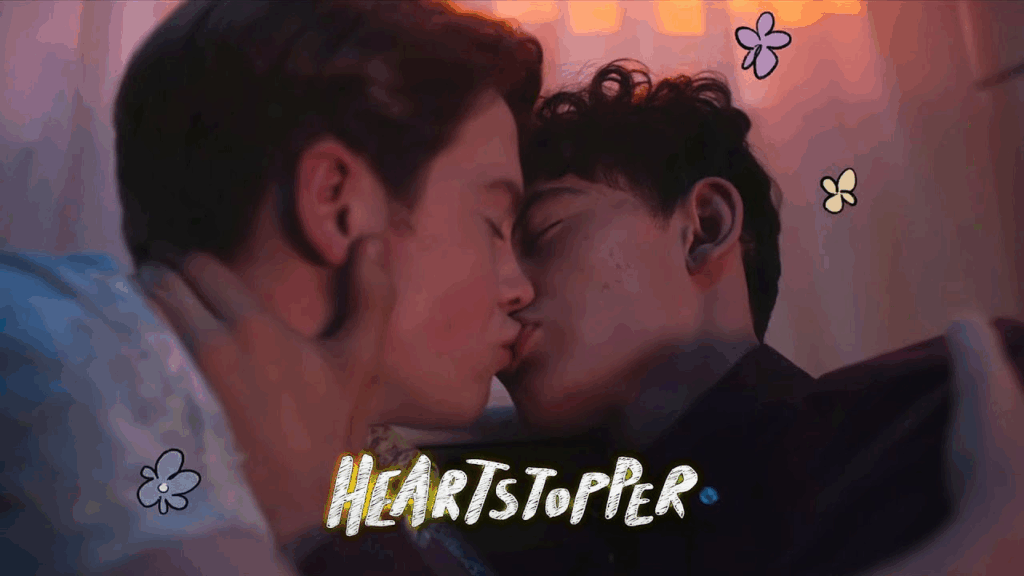
Then there’s the fantasy genre—the very space that once felt like it had room for dragons and elves, but somehow not for queerness. Shows like The Owl House, Good Omens, and Heartstopper (yes, it is geek culture when you see how many memes, edits, and cosplays it’s inspired) have helped reshape the landscape. They’ve given us queer love stories, friendships, and identities that feel honest, joyful, and—crucially—normalised. Not shocking. Not tragic. Just… there. As they should be.
Let’s not forget animation, where creators are getting bolder and queerer by the day. She-Ra and the Princesses of Power gave us a tender, queer coming-of-age arc. Steven Universe introduced fusion, love, and identity through a lens that made queerness feel elemental. And while Adventure Time took a while, it eventually gave us the queer canon we’d hoped for.
The rise of indie content and creator-driven platforms like Webtoon, Kickstarter, and Patreon has also opened up queer geek storytelling in ways traditional publishers and studios were too hesitant to explore. Creators are telling their stories, on their terms—and finding massive audiences hungry for authenticity, diversity, and new perspectives.
But representation isn’t just about characters—it’s about creators too. Queer writers, artists, developers, and showrunners are finally getting the chance to tell stories with characters who look, love, and live like them. That authenticity? You can feel it. And it’s shifting what’s possible for the next generation of fans and storytellers.
This change hasn’t been without pushback. The same trolls who complained about “too much diversity” ten years ago are still out here typing in all caps about “agendas” and “ruining childhoods.” But here’s the thing: geek culture has always been about outsiders. About finding your people. About imagining better worlds. And if those worlds aren’t inclusive, they’re not worth escaping into.
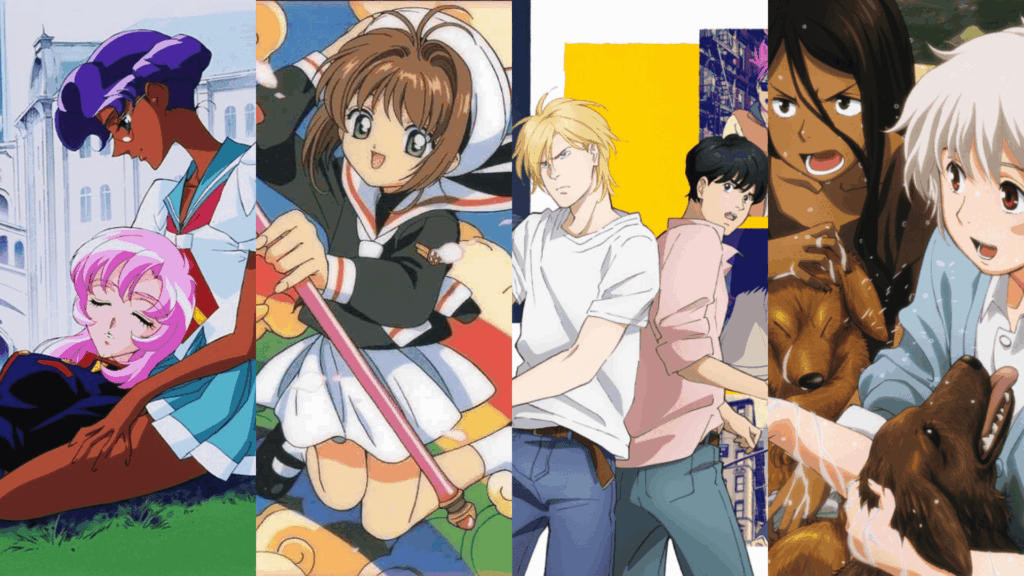
Seeing yourself in your favourite story isn’t just nice—it’s affirming. It’s powerful. It tells you that you exist, that you’re valid, that you can be the hero, the mage, the pilot, the rogue, the chosen one. And that message? It hits different when you’ve grown up never quite seeing it before.
The more queer representation we see in geek culture, the less we have to fight for scraps. The less we have to explain why it matters. The more we can simply be—cosplay our favourite characters, write our fanfics, scream at plot twists, and show up fully in the communities we love.
So yeah, queer rep in geek culture is levelling up. And no, it’s not perfect yet. But we’re out of the shadows, off the sidelines, and finally getting some well-deserved screen time. From sidekick to main character. From coded to canon. From wishful thinking to full-blown narrative arcs.
Game on.