


There is something quietly, deliciously self-destructive about it: pressing play on that one sad song you know is going to wreck you emotionally and then pressing it again. And again. And again. It does not even need to be a heartbreak anthem or some Oscar-worthy ballad. It could be a soft piano tune you found at two in the morning, an indie track that has twelve views on YouTube, or some obscure B-side from a band that broke up in 2009. It does not matter. You know it is going to hurt. That is the point.
I have always found it fascinating how we gravitate to sadness when we could easily choose something else. We have access to entire playlists of upbeat songs, happy bangers, and “dance like nobody’s watching” anthems. Yet there is this human tendency to seek out the one song that tugs at our ribs like fishing wire. You are not just listening to music, you are picking at a scab you know is not ready to heal. It is masochistic, it is cathartic, and it is oddly comforting.

Let me be clear: listening to the same sad song on repeat is not about wallowing. Not exactly. It is more like controlled exposure. Like standing close enough to a fire to feel the heat but not close enough to actually burn. The song becomes your controlled sadness space. You choose when to press play, you choose how long to stay there, you choose when to press stop. That control is part of what makes it feel safe. It is sadness with boundaries. A storm contained inside a three-minute chorus and a bridge that splits your heart open every single time.
Sometimes, the appeal is in the sheer familiarity. Our brains love repetition. They find comfort in knowing what comes next. You know exactly when the piano will drop out, when the strings will swell, when the singer’s voice will crack just slightly on that one line. When life feels unpredictable or overwhelming, that kind of predictability is a lifeline. You do not have to think or anticipate. You just feel. The song carries the weight for you.
And here is where it gets interesting: often, you do not even need a reason. It is not about a breakup or a death or some personal tragedy. Sometimes, you just feel a little off, a little heavy in your chest, and the song becomes a key to unlock that hidden ache. You cry without context. You feel without justification. The repetition itself becomes ritual. It is less about the lyrics and more about the echo they leave behind.
If you are South African, this behaviour makes even more sense. Our daily lives are such a chaotic mash-up of comedy and tragedy that sad songs almost feel like luxury. When you are dealing with load shedding schedules that feel like boss fights, potholes that could swallow your car whole, and traffic reports that sound like Greek tragedies, the quiet sadness of a song on loop feels like sanctuary. A small moment of stillness in a country where everything is always in motion. A moment where you get to say, “I am going to feel this fully, even if nothing else makes sense.”
And the strange part is that it helps. Repeating that one sad track becomes grounding. It becomes a place you go to be honest with yourself, to exist with your feelings, however messy they are. Even if no one else understands it. Especially then. It is yours. Your private ritual. Your secret sanctuary.
I have seen people on forums laugh about how their Spotify Wrapped is just one song played a thousand times. They joke about it, but behind the joke is a kind of pride. As if they are saying, “This is the song that got me through. This is the soundtrack to my survival.” Your Spotify algorithm might be deeply concerned for your wellbeing, but you know better. The comfort is not in variety, it is in ritual.
There is a difference between numbing yourself with music and allowing music to guide you through something. Sad songs are not just sad. They are clarifying. They cut through the static. They show you what you are carrying. They offer catharsis in three acts: verse, chorus, verse. They let you fall apart a little, and then they gently stitch you back together just enough to keep going.
Think about it like lying face down in bed with your head buried in a pillow. You are not giving up, you are releasing. Sometimes, release looks like loud laughter with friends. Sometimes, it looks like letting a song hollow you out until the ache feels bearable. There is no right way. There is only the way that works.
And then comes the moment you finally stop. After the twentieth play, the thirtieth, maybe the fiftieth, you hit pause. You sit there in silence for a second, like someone who has just come out of a deep dive underwater. You exhale. You realise the world is still there waiting for you. But so are you. And somehow, you feel lighter. Not fixed, not healed, but less alone with it.
There is a kind of strange beauty in that. In choosing to return again and again to the thing that hurts you, not because you are trying to break yourself, but because you are trying to understand yourself. You are taking sadness out of the shadows and putting it on repeat until it feels like a companion rather than a threat. You are shaping your ache into something familiar, something you can carry.
Of course, there is humour in it too. Like the moment you realise you have been listening to the same sad track for three hours straight and your cat is staring at you with deep concern. Or when your flatmate walks in, hears the first notes of the song for the hundredth time, and says, “Seriously? Again?” Or when you picture your Spotify data analyst sitting in an office somewhere muttering, “We need to send this person a wellness check.” Sadness has a sense of humour too, if you let it.
But in all seriousness, this ritual tells us something profound about being human. We are not afraid of sadness. Not really. We fear chaos, we fear loss of control, but sadness? Sadness can be held. It can be managed. It can even be curated into playlists and repeated until it feels like an old friend.
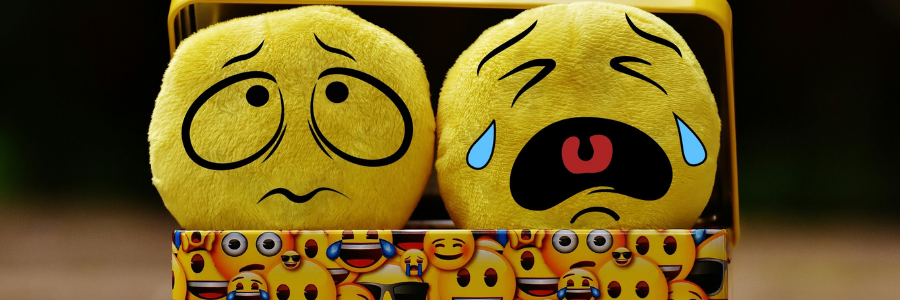
That is why listening to the same sad song on repeat is not weird, it is deeply human. It is not indulgent, it is intentional. It is a way of reminding yourself that you are still capable of feeling, even when you wish you were not. It is a reminder that you are alive, that your emotions are real, that your heart has not gone quiet even if life has numbed you a little.
So if you are one of those people who listens to the same sad track ten, twenty, thirty times in a row, you are not broken. You are not overindulging. You are not strange. You are simply finding a way to exist in your sadness without drowning in it. You are letting a song hold your hand while you walk through the darker rooms of yourself. And honestly, there are worse companions to have than a melody that understands you.
The next time you catch yourself pressing repeat, do not feel guilty. Do not roll your eyes at your own melodrama. Lean into it. Let the song play until it has done its work. Let it hurt and let it soothe. And when you finally press stop, know that you gave yourself a gift: the gift of feeling.
Because sometimes, survival does not look like running from pain. Sometimes it looks like singing along to it until you can breathe again.