
It is easy to get bogged down in the day-to-day grind here in South Africa. We talk about the “gees” at a rugby match or the resilience of a local entrepreneur, but sometimes we forget to look up. And I mean really look up. This past week, a group of high schoolers reminded us that while our feet are firmly planted in South African soil, our brains are more than capable of navigating the lunar surface.
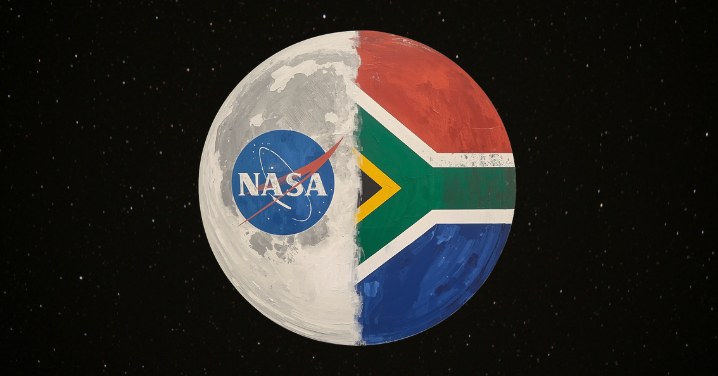
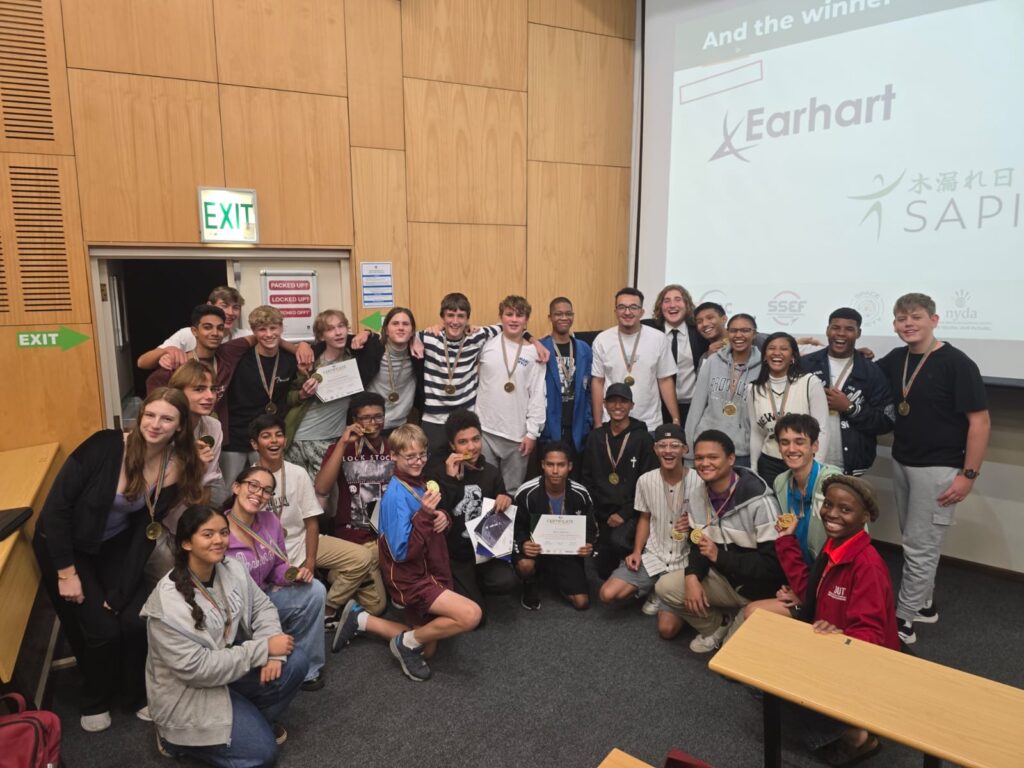
Eight learners have been selected to represent Team SA at the International Space Settlement Design Competition (ISSDC) at NASA’s Kennedy Space Centre this July. This isn’t just a school trip with a fancy badge; it’s a high-stakes, high-pressure industry simulation that would make most corporate executives sweat.
The Birth of Alaskol
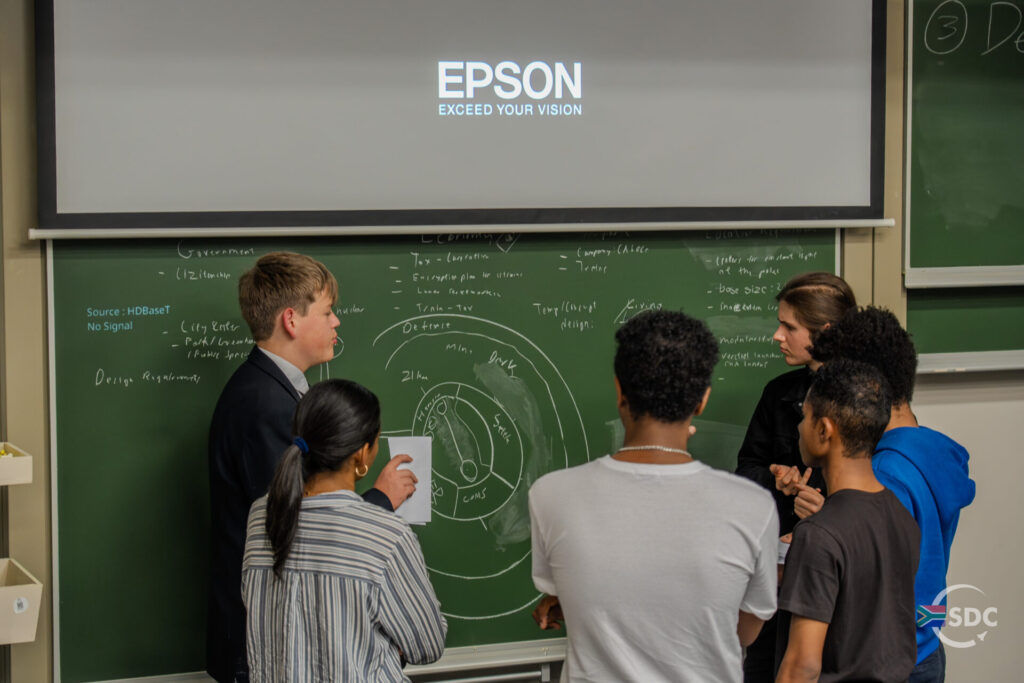
The journey started at the end of March 2026 at the University of Cape Town during the South African Space Design Competition (ZASDC). Over 100 students from across the country were thrown into a 24-hour pressure cooker. Their mission? To design a futuristic lunar settlement called “Alaskol.”
Imagine being 16 years old and told you have one day to figure out the structural engineering, operations, human factors, and automation for a city on the moon. You aren’t just drawing pictures; you are calculating radiation protection, liquid waste management, and the financial feasibility of lunar exports.
The students were divided into fictional aerospace companies. They had to elect leaders, manage departments, and eventually stand in front of a panel of industry experts – including some heavy hitters from UCT and the aerospace world – to defend their 40-page technical proposals.
The Chosen Eight
Out of the 100+ hopefuls, the final selection for the international stage includes:
- Alaya Kaplen (Cannons Creek)
- Benjamin Honigwachs (Bishops)
- Dean Weich (Bishops)
- Emmanuella Soibi & Ethan Schoombee (Fairmont High)
- Isabella Ankiah (Parklands College)
- Joseph Allderman (Westerford High)
- Zayaan Abdurahman (Mondale High School)
Isabella Ankiah, who was appointed president of her cross-school team, “Kepler Automation,” is a perfect example of the leadership on display. It wasn’t just about who knew the most physics; it was about who could lead a team of strangers through a 24-hour marathon of creative problem-solving.
Why This Matters
We often hear that we need more “STEM” (Science, Technology, Engineering, and Mathematics) focus in our schools. But seeing it in action is something else entirely. These students weren’t just memorising formulas; they were using them to solve the “Request for Proposal” (RFP) issued by the fictional Foundation Society. They were proving that South African youth can compete with the best in the world when it comes to technical knowledge and leadership under pressure.
Dr Wei Hua Ho from UCT put it best when he noted that we need more events like this, especially for learners from disadvantaged backgrounds. The ZASDC was a free competition, ensuring that a passion for space was the only prerequisite for entry.
The Next Giant Leap
At the end of July 2026, these eight stars will head to Florida. They won’t just be spectators; they will be integrated into international companies with students from over 20 countries. They will spend five days at the Kennedy Space Centre, working alongside NASA engineers and aerospace professionals to tackle even bigger challenges.
In a week where we often look for “feel-good” stories, this one hits differently. It’s a reminder that our greatest export isn’t gold or platinum – it’s the grit and innovation of our youth. These kids are taking the South African spirit of “n boer maak ‘n plan” and applying it to the vacuum of space.
So, when you look at the moon tonight, spare a thought for Team SA. They’ve already built a city there in their minds. Soon, they’ll be at the very place where human spaceflight history is made, showing the world exactly what Mzansi is made of.