

There is a very specific kind of frustration that arrives when you have a brilliant app idea, a clever website concept, or a dashboard that would make your workday easier, but then you remember one tiny problem: you are not a developer.
You can see the thing in your head. You know what it should do. You know what buttons it needs. You know how people should use it. You may even have the name, the logo, the colour palette, and a dramatic little launch speech ready to go. Then reality taps you on the shoulder and says, “Lovely. Now go learn frontend, backend, databases, authentication, hosting, deployment, and why one missing bracket can ruin your afternoon.”
This is exactly where Lovable becomes exciting.
Lovable is an AI-powered software creation platform that helps you build apps and websites by describing what you want in plain language. Instead of starting with code, you start with an idea. You tell Lovable what you want to create, and it generates a working application with the visual interface, structure, functionality, and code behind it. According to Lovable’s own documentation, it is a full-stack AI development platform designed for building, editing, and deploying web applications using natural language. It can generate frontend, backend, database, authentication, and integrations, all backed by editable code.
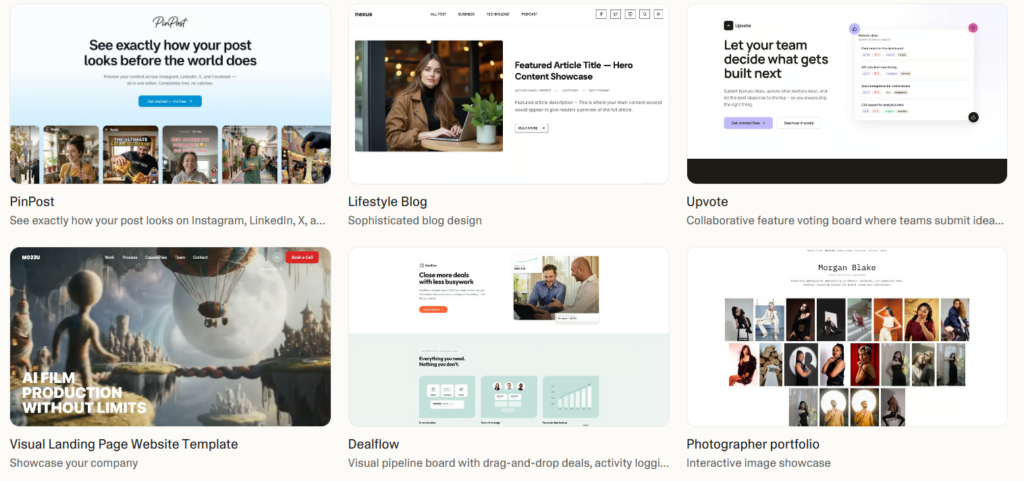
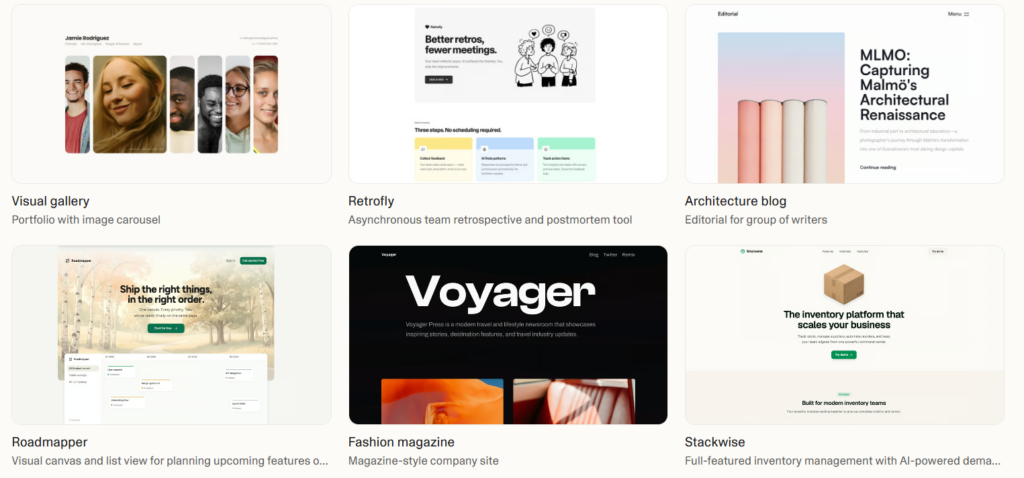
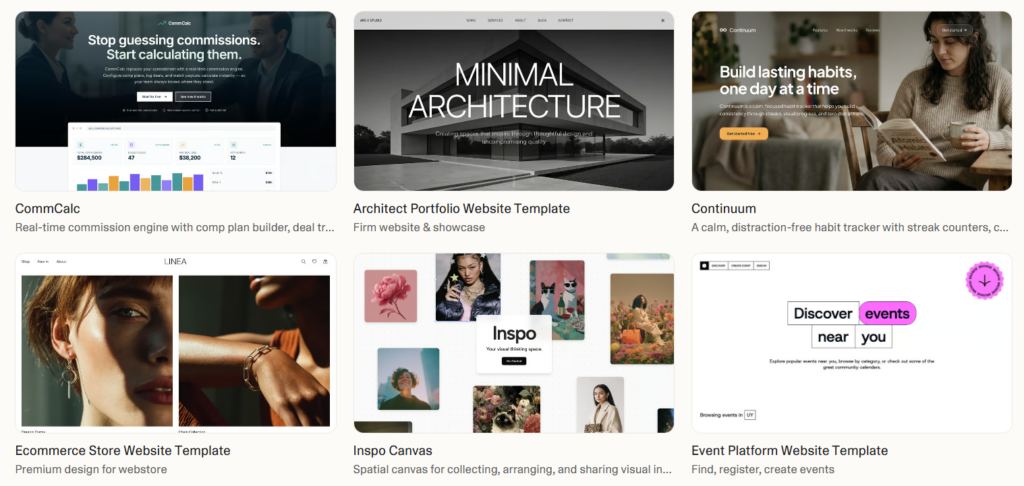
That last part matters. Lovable is not just a toy that makes pretty mock-ups. It is not only there to create a fake screen that looks impressive until someone asks, “But does it work?” It is built to help people create real, usable software. You can build landing pages, dashboards, booking tools, internal systems, SaaS products, client portals, content platforms, admin panels, and business tools without needing to start from a blank codebase.
The beauty of Lovable is that it lowers the barrier between having an idea and actually testing it. For entrepreneurs, that means building a prototype before spending a fortune. For marketers, it means creating campaign tools, calculators, microsites, lead forms, and dashboards without waiting three months for development resources. For small businesses, it means creating internal systems that help with daily operations. For creators, bloggers, coaches, consultants, and freelancers, it means turning ideas into something people can actually click, use, and experience.
And honestly, that is a big deal.
For years, most people have had to explain their ideas to someone else and hope that person understood the vision. You would brief a developer, send reference links, create wireframes, jump onto calls, explain again, wait for a quote, recover emotionally from the quote, then hope the final version looked and worked the way you imagined. Lovable changes that process by letting you speak directly to the builder. You describe what you want, test it, change it, improve it, and keep going.
It works in a very simple way. You open Lovable, start a project, and type what you want to build. You might say something like, “Create a clean dashboard for a marketing agency that tracks tasks, client updates, content calendars, invoices, and weekly priorities.” Lovable then generates the first version. From there, you can keep refining it by giving instructions such as, “Make the dashboard more premium,” “Add a section for overdue tasks,” “Create a login page,” “Add a client filter,” or “Make this mobile-friendly.”
That back-and-forth process is where the magic sits. You are not expected to get everything perfect in one prompt. You can shape the product as you go, which makes Lovable feel less like a traditional development tool and more like a creative building partner. You try something, see how it looks, realise what is missing, and then ask Lovable to improve it. It is practical, fast, and much less intimidating than staring at a blank development environment pretending you know what “npm error” means.
The platform is useful for technical and non-technical people. If you are a developer, it can help speed up early builds, generate structures, test concepts, and create foundations that can later be reviewed or extended. If you are not a developer, it gives you access to software creation in a way that feels far more approachable. Lovable also supports shared workspaces, code ownership, GitHub syncing, and team collaboration, which means it can fit into more serious workflows as well.
One of the strongest reasons to try Lovable is speed. Not fake speed, where something looks quick but causes problems later. Real speed, where you can move from idea to working version in a short space of time. That is incredibly useful if you are testing whether an idea has potential. Instead of spending weeks planning every possible detail, you can build a version, show it to people, get feedback, and improve it.
That is where Lovable becomes valuable for almost anyone.
A small business owner can build a booking form or customer portal. A blogger can create a content planning dashboard. A marketing manager can build a client reporting tool. A fitness coach can create a meal plan app. A restaurant can build a loyalty system. A freelancer can create a project intake form. A teacher can build a learning resource. A community organiser can create a simple member platform. The point is not that every person now needs to become a software company. The point is that more people can now create tools that solve their own problems.
That is what makes Lovable so clever. It does not ask you to become someone else before you can build something. It meets you where you are. You bring the idea. Lovable helps with the structure.
Another reason it is worth trying is that Lovable gives you free credits. The free plan currently includes 5 daily credits, with a maximum of 30 credits per month. Credits are what you use when sending messages to generate output in Lovable. The cost depends on what you ask it to do. Smaller edits can cost less, while more complex prompts can use more credits.
That free credit system makes it easier to test Lovable without committing upfront. You can try building something small, get a feel for how it works, and see whether it suits your workflow. You do not need to arrive with a huge app idea on day one. Start with something simple. A landing page. A personal dashboard. A basic event RSVP page. A content planner. A client form. Something useful enough to test, but not so big that you overwhelm yourself before you begin.
If you move onto a paid plan, Lovable offers more credits and added features. For example, the Pro plan includes monthly credits depending on your selected plan, plus 5 daily credits up to a maximum of 150 per month. Pro also adds useful features like custom domains, removing the Lovable badge, roles and permissions, private projects, workspace collaboration, and Code mode for editing code directly inside Lovable.
For people building regularly, those extra credits make a difference. Once you start using Lovable properly, you quickly realise how many use cases there are. That small dashboard idea becomes a client portal. The client portal becomes a quoting system. The quoting system becomes an internal workflow tool. Suddenly you are looking around your business thinking, “Wait, could I build something for that too?” Dangerous thinking, but in the productive way.
Now, here is the part worth paying attention to. If you sign up through my referral link in this article, you can receive an additional 10 credits for signing up, which makes it even more worth testing. That gives you more room to play, build, experiment, and see what Lovable can actually do before deciding how deeply you want to use it.
Referral link: https://lovable.dev/invite/1JO560I
Lovable’s own FAQ explains that referral links can unlock bonus credits through its referral programme, so make sure you use the actual referral link and not just the main Lovable website link when signing up.
What I like most about Lovable is that it makes building feel less precious. Sometimes we sit with ideas for months because we are waiting for the perfect timing, perfect budget, perfect developer, or perfect plan. Lovable gives you permission to test the rough version. And often, the rough version is exactly what you need. It shows you what works, what does not, and what the idea could become.
It is also a useful reminder that the future of work is not only about replacing skills. It is about expanding who gets to create. A marketer with a strong idea can now build a tool. A writer can build a platform. A business owner can create an internal system. A designer can test an interactive product. A founder can validate a concept before pitching it. That shift is massive.
Of course, Lovable is still a tool, not a magic wand. You still need clear thinking. You still need to know what you want the app to do. You still need to test things properly, check the logic, review the wording, make sure the user journey makes sense, and avoid building something just because the button looks nice. The machine can help you build faster, but it cannot care about the purpose more than you do. That part is still yours.
But that is exactly why Lovable is so useful. It gives people with ideas a faster way to move. It helps you get out of the “one day I should build this” phase and into the “let me see if this actually works” phase. And that is where real progress happens.
Whether you are a business owner, marketer, blogger, creator, consultant, student, founder, or simply someone with a notes app full of ideas you keep promising yourself you will get to eventually, Lovable is worth trying. The free daily credits make it easy to start, the referral bonus gives you extra room to experiment, and the platform itself makes the process feel far less intimidating than traditional development.
Sometimes the hardest part of building something is not the idea. It is getting the first version out of your head and into the world.
Lovable helps you do that.
And honestly, that might be the most useful kind of tool there is.
About the Author