Are You a Plant Parent or Just Emotionally Fried?
 0
0
 0
0
 0
0
0
0
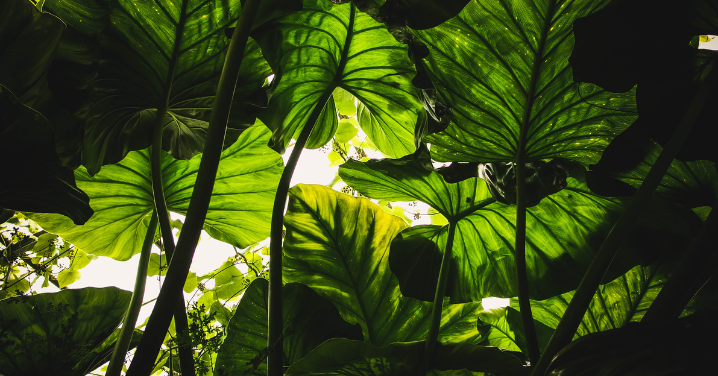
You water them. You rotate them for optimal sunlight. You panic when a leaf browns. And at some point, you find yourself whispering, “You’re doing so well, sweetie” to your fiddle leaf fig like it’s a toddler in a school play. Congratulations—you’ve entered the wonderful world of talking to your plants. But is this a sign of advanced plant parenting… or is it possible you’ve just been a bit too alone with your Monstera?
First things first: if you talk to your plants, you’re not alone. According to science, it’s actually more common than we admit—part self-care, part nurturing instinct, and part low-stakes emotional outlet. And here’s the kicker: it might actually be working. Studies have shown that sound vibrations, including the human voice, can positively affect plant growth. So yes, your pep talks might literally be helping your ferns flourish. Who knew?
But let’s dig deeper (pun fully intended).
The real magic here isn’t just in the soil—it’s psychological. Talking to plants offers a weirdly satisfying sense of connection. They don’t judge. They don’t interrupt. They don’t reply with unsolicited advice. They just exist, quietly thriving (or dramatically wilting) in your space. In a world that demands constant social engagement, plants are the introvert’s dream companion: alive, responsive, and 100% emotionally low-maintenance.
For many, especially in the chaos of adult life or the isolation of remote work, talking to plants becomes a way of grounding. You’re forming routines, creating ritual, and experiencing a sense of care that isn’t transactional. You give to something that quietly gives back—through oxygen, beauty, and maybe a stubborn little flower if you’re lucky.
But let’s be honest—sometimes talking to your plants is less about chlorophyll and more about coping. It’s 11pm, you’re stress-eating peanut butter, and suddenly you’re asking your aloe vera if it thinks you should text your ex. You know it won’t answer—but that’s not the point. It’s the act of saying it out loud, of letting the words out in a safe, non-judgemental space. That makes the cactus kind of a therapist. With spikes.
And hey, maybe you’re not lonely. Maybe you’re just emotionally efficient. Why unload your day onto someone who’ll just nod and say “wild” when you could share it with your pothos who responds with silence and steady new leaves? That’s growth. On multiple levels.
Of course, not all plant talkers are the same. Some whisper encouragement. Some narrate their day. Some name every plant and speak to them like they’re characters in a long-running soap opera. (“Don’t look at me like that, Geraldine, you’ve had plenty of sun today.”) Is it strange? Maybe. Is it harmful? Not even slightly. In fact, it might be doing more good than you think.
Because here’s the thing: humans need connection. Sometimes that’s with other people. Sometimes it’s with pets. And sometimes, when life feels loud and people feel too much, we connect with something green, quiet, and unbothered by our social awkwardness. Talking to plants is less about the plants and more about you. It’s about attention, care, mindfulness, and a low-key form of meditation disguised as conversation.
And if you think about it, isn’t it a bit beautiful? In a world obsessed with productivity and performance, you’re pouring love into something that doesn’t ask for anything back but a bit of light and water. You’re learning patience. Stillness. How to be gentle. How to keep showing up even when the leaves fall off.
So are you a botanist or just lonely? Maybe a bit of both. Or maybe you’re just someone who’s figured out that life is better when you talk to things that won’t talk back.
Because honestly, if talking to your plants brings you peace, gives you purpose, or makes your studio apartment feel less like a beige box and more like a tiny forest—keep going. Your monstera isn’t judging you. And neither are we.