
Exploring the Legends Behind the Easter Bunny
 0
0
 0
0
 0
0
0
0
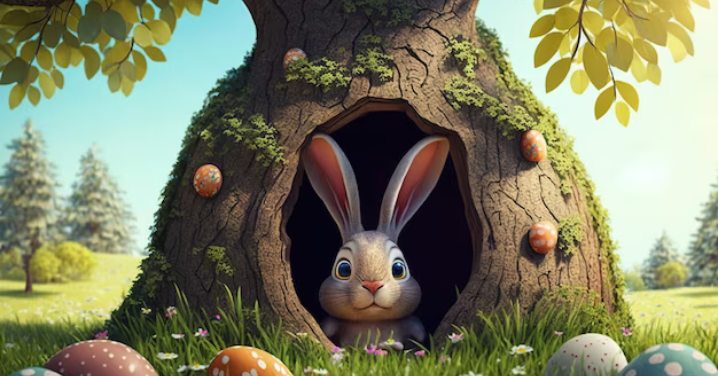
As children, we all eagerly await the arrival of the Easter Bunny each year. With his iconic fluffy white tail and bright red nose, he brings joy and excitement to our lives during this special holiday season. But have you ever wondered where the Easter Bunny comes from? In this article, we’ll take a fun and educational journey through history and folklore to uncover the origins of this beloved holiday figure.
The earliest known references to an egg-laying rabbit can be traced back to ancient civilizations such as China and Greece. These mythical creatures were believed to bring good luck and prosperity, and their eggs were often decorated with intricate designs and given as gifts. In medieval Europe, the tradition of the Easter Bunny began to take shape when Christians combined it with the pagan celebration of Ostara, a festival celebrating the arrival of spring.
During this time, the Easter Bunny was depicted as a human-like figure dressed in rabbit fur and carrying baskets filled with eggs and other treats. He would visit children’s homes on Easter morning, leaving behind these baskets for them to find when they woke up. Over time, the character of the Easter Bunny evolved into the fluffy white creature we know today, complete with a tail and nose.
One interesting theory about the origins of the Easter Bunny is that he was actually a real rabbit who lived in Germany during the Middle Ages. Legend has it that this particular rabbit had a knack for laying eggs, and people began to attribute magical powers to him. As the legend spread, other animals such as foxes and badgers were also said to have egg-laying abilities, but it was ultimately the rabbit who became the most popular choice for the Easter Bunny.
Another theory suggests that the Easter Bunny may actually be a descendant of the pagan goddess Eostre, who was associated with fertility and the changing seasons. In this version of the story, Eostre’s followers would leave eggs and other offerings in her honour during the spring equinox, which eventually evolved into the modern-day Easter Bunny tradition.
Despite these fascinating theories, no one can say for certain where the Easter Bunny comes from with absolute certainty. What we do know is that he has become an integral part of our holiday traditions and brings joy to millions of people around the world each year. So whether you believe in the magical powers of a real rabbit or the influence of pagan gods and goddesses, one thing is clear: the Easter Bunny will continue to delight us for generations to come.
In conclusion, the origins of the Easter Bunny are shrouded in mystery and myth, but what we do know is that he has become an enduring symbol of hope and happiness during this special holiday season. So as you eagerly await his arrival on Easter morning, take a moment to appreciate the whimsical journey through history and folklore that led us here today. And remember, no matter where the Easter Bunny comes from, it’s the magic he brings that truly matters.