Future Me Will Fix It: A Relatable Guide to Procrastinating Like a Pro
 0
0
 0
0
 0
0
0
0
I was going to write this hours ago. Truly. It was on my to-do list, right under “sort laundry” and “become a functioning adult.” And yet, here we are. The coffee’s cold, my phone battery’s at 2%, and I’ve achieved absolutely nothing except rewatching the same three reels and Googling “how to stop procrastinating” for the hundredth time. Irony? Delicious.
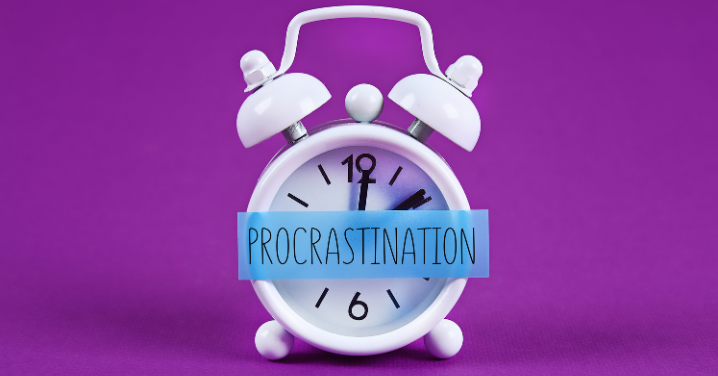
Procrastination isn’t just a habit—it’s an art. A lifestyle. A chaotic blend of perfectionism, fear of failure, mild existential dread, and an unshakeable belief that Future Me will definitely be more productive. Spoiler: she never is. Future Me is usually just me again, but more stressed, less hydrated, and vaguely guilty.
And look, it’s not like I don’t want to get things done. I romanticise productivity constantly. I make lists. I highlight things. I download apps that promise to keep me focused with calming sounds and forest animations. But somehow, I always end up deep in a rabbit hole learning about octopus dreams or reorganising my email folders by colour instead of, you know, finishing the actual task.
If procrastination were an Olympic sport, I wouldn’t even show up for training. I’d reschedule it, then stress about it, then clean my kitchen while pretending to mentally prepare. I’d spend three hours designing a training schedule I’d never follow. I’d buy new stationery for motivation. Then I’d nap.
Why are we like this? Some say it’s fear. Others say it’s a dopamine thing. I say it’s because our brains are full of tabs—literal and metaphorical—and every time we open a new one, another task gets shoved into a mental cupboard marked “deal with later, probably.” And that cupboard? It’s overflowing.
We procrastinate because we care. Weird, right? But it’s true. The stuff we put off is usually the stuff that feels big, important, or slightly terrifying. What if I mess it up? What if it’s not perfect? What if it is perfect and then I have to keep being perfect forever? Better to do nothing for now and stress-eat crackers in a dressing gown.
But here’s the twist—most of us aren’t lazy. We’re tired. Overstimulated. Distracted. Overwhelmed by the sheer number of things we’re expected to juggle. Somewhere along the line, “just getting through the day” became a full-time job with overtime and no benefits. So when your brain sees a mountain of to-dos, it does what any reasonable brain would do: shut down and suggest a snack break.
Of course, we still feel bad about it. That little voice kicks in—“Why can’t you just start?” It’s mean, unhelpful, and usually shows up when you’re finally about to do the thing. Classic timing. And yet, somehow, we still get things done. Eventually. Usually at the last possible second, powered by panic and caffeine, with a vague sense of betrayal because wasn’t I supposed to be better by now?
But maybe the goal isn’t to be perfect. Maybe it’s to be kind. To realise procrastination isn’t moral failure—it’s just your brain asking for a bit of grace. Sometimes, you really do need a break. Sometimes, you just need a deadline with teeth. Sometimes, you need to stop beating yourself up and start with one small thing. And sometimes, you need to accept that “productive” today might just mean sending one email and making your bed. That still counts.
So here’s your permission slip: You’re not a disaster. You’re not broken. You’re just a human trying to function in a world that never stops buzzing. And if you need a moment (or twelve) before tackling the to-do list, take it. Then take a deep breath. Then do the thing—eventually.
Because while procrastination might not win medals, it does make for some excellent stories, dramatic deadlines, and oddly philosophical shower thoughts. And honestly? That’s a gold in my book.