
Meet Carlo Acutis: The Catholic Church’s First Millennial Saint
 0
0
 0
0
 0
0
0
0
It’s the early 2000s, everyone’s still getting used to dial-up internet, and somewhere in Milan, there’s a kid who’s obsessed with coding, Pokémon, and Jesus Christ. That kid was Carlo Acutis. And now—barely two decades later—he’s on the verge of becoming the Catholic Church’s very first millennial saint. No, seriously. It’s not a TikTok hoax. This is an actual Vatican headline.
I know what you’re thinking—how does a teenager from the age of iPods and Windows XP end up canonised by the same institution that gave us saints from the Middle Ages who did things like tame lions and survive being boiled alive? It’s wild. But it’s also exactly the kind of story that makes religion, faith, and culture so fascinating to talk about—even if you don’t consider yourself particularly religious.
And now that the Pope has died (RIP to His Holiness), Carlo’s path to sainthood just got even more attention. So let’s unpack this whole thing: Who was Carlo Acutis? What did he actually do that made the Vatican want to declare him holy? Why was his canonisation tied to the Pope’s death? And what happens next?
The Holy Techie Next Door
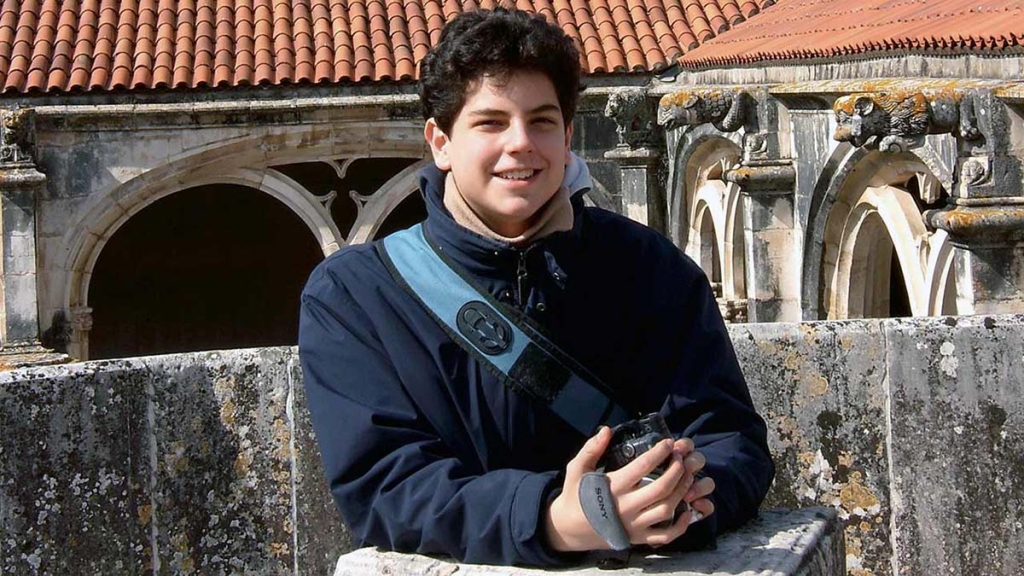
Carlo Acutis was born in London in 1991 but moved to Italy soon after. He wasn’t a monk or a priest or a martyr. He was just… a kid. A computer genius who taught himself how to code at age 9. He loved Super Mario, playing football with friends, and was really into video games—but what set him apart was that he also had this deep, unwavering love for his faith.
By age 11, he’d already started building websites for Catholic organisations. Not your average HTML-101 projects, either. His most famous project? A website documenting and cataloguing Eucharistic miracles—basically alleged moments in Catholic history where the bread and wine literally turned into human flesh and blood during Mass. Carlo made it his mission to digitally archive all of it, thinking it could help rekindle faith in people who’d lost touch with the Church.
So while other kids were figuring out which font to use for their MySpace bios, Carlo was creating what would become the largest online resource of Eucharistic miracles in the world.
He once said, “The Eucharist is my highway to heaven.” That’s the kind of statement that might sound dramatic coming from a grown priest in robes, but coming from a kid wearing Nikes and building websites? That hits different.
A Life Cut Short—but Not Forgotten
At just 15, Carlo died of leukaemia in 2006. But before he passed, he offered his suffering “for the Pope and for the Church.” That single sentence has been quoted more times than most politicians’ entire careers. It was the kind of selfless acceptance that made people stop and say, “Hold on. Maybe this kid was something special.”
Within a few years, stories of his good deeds, his unwavering kindness, his spiritual depth, and his tech-savvy evangelism had turned into a kind of modern legend. People began reporting answered prayers after asking for Carlo’s intercession (a fancy way of saying they asked him to help them out spiritually).
And that’s where the Vatican started paying very close attention.
So, What Actually Makes Someone a Saint?
Great question—and this is where it gets technical.
The Catholic Church doesn’t just hand out sainthood like you’re getting a badge on Duolingo. It’s a multi-step process that can take decades, centuries, or—if you’re Carlo Acutis—just a few years.
Here’s the crash course:
- Servant of God – Once someone dies and people start talking about how holy they were, the Church investigates their life. If it checks out, they get this title.
- Venerable – If the person lived a life of “heroic virtue,” they level up to this title.
- Blessed – You need at least one verified miracle to reach this stage. That means someone prayed to you, something medically impossible happened, and science couldn’t explain it.
- Saint – This is the big one. You need a second miracle to make it official.
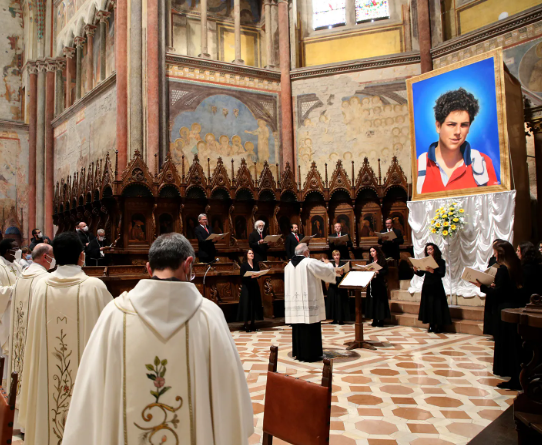
Carlo was beatified in 2020 after a Brazilian boy with a rare pancreatic disease was reportedly healed after praying to him. It was declared a miracle, and boom—Carlo became “Blessed Carlo Acutis.” But he still needed that second miracle to be canonised.
Which brings us to now…
The Pope, the Pending Sainthood, and What Comes Next
Now here’s where things get a bit Da Vinci Code-ish (but less murder-y).
Canonisations are approved by the Pope himself. So if you’re waiting for your sainthood paperwork to go through, and the Pope dies, it’s a bit like your manager leaving halfway through signing your promotion letter.
Carlo’s second miracle—the healing of a university student who suffered from brain trauma in Florence—was recently recognised by the Vatican’s Congregation for the Causes of Saints. Everything was lined up. They just needed the Pope’s signature to lock it in. But then, Pope Francis passed away before finalising the decree.
So now, the Catholic Church enters what’s called the “Sede Vacante” period—the time between Popes. During this phase, big decisions like canonisations get temporarily paused. It’s like someone hitting the Vatican’s global “hold” button. The Cardinals gather, they vote, and a new Pope is elected. Once he’s in office, he’ll pick up the pending cases—including Carlo’s.
And if the new Pope signs off, Carlo becomes the first millennial saint in Church history. Think about that: the first person with a documented love for computers, Pokémon, and the internet being declared a full-on Saint. It’s a massive cultural shift for a Church that’s been historically slow to embrace change.
Why It Matters (Even If You’re Not Catholic)
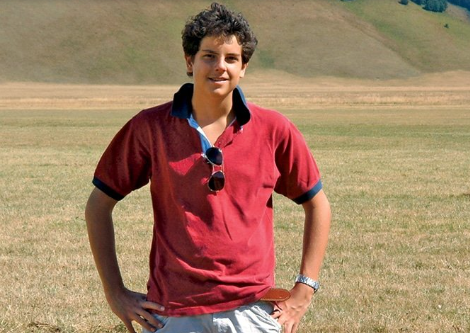
Here’s the thing—whether you believe in saints or not, Carlo Acutis represents something bigger than just religious recognition. He’s a symbol of how spirituality and modern life don’t have to be enemies. He wore Nikes, he coded websites, he played games—but he also believed deeply in compassion, kindness, and purpose.
And that’s rare.
In a world where teenagers are more likely to be influencers than introspective thinkers, Carlo’s story is a reminder that you don’t have to be famous to make an impact. Sometimes, the quiet nerd in the back of the classroom ends up changing history.
He also opens the door to a new generation of saints—ones who look more like your cousin with the anime wallpaper and less like a 15th-century monk holding a chalice.
If Carlo’s canonised, it’s not just a win for the Church. It’s a cultural reset. A sign that faith is evolving, adapting, and maybe—just maybe—figuring out how to reach the next generation without losing its soul.