The Dire Wolf Returns: A Breakthrough in De-Extinction Science
 0
0
 0
0
 0
0
0
0
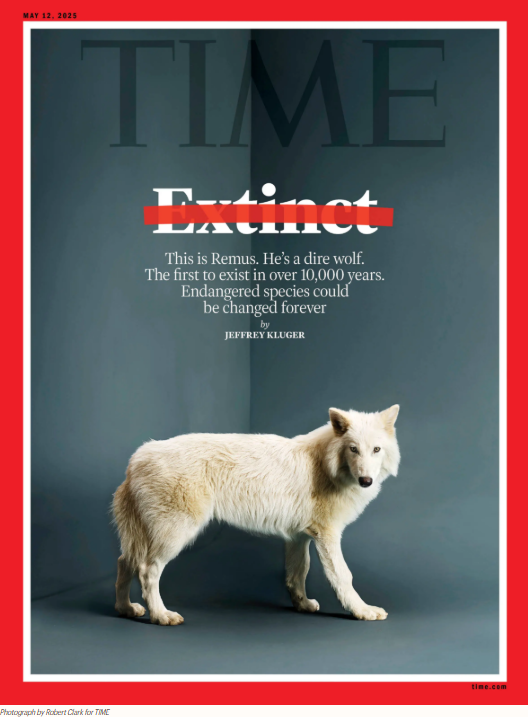
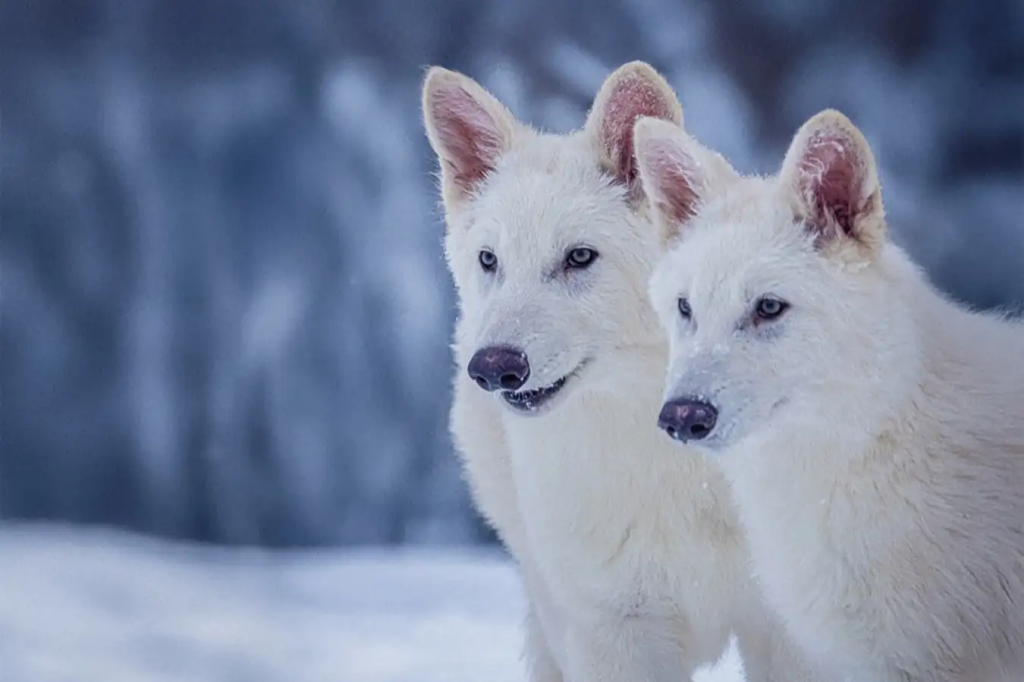
In a remarkable scientific achievement, Colossal Biosciences, a U.S.-based biotechnology company, has announced the birth of three dire wolf pups—Romulus, Remus, and Khaleesi—marking the first successful de-extinction of an animal species. This milestone represents a significant advancement in genetic engineering and offers new possibilities for biodiversity restoration.
The Dire Wolf: An Overview
Dire wolves (Aenocyon dirus) were formidable predators that inhabited the Americas during the Late Pleistocene epoch. Larger and more robust than today’s grey wolves, they possessed powerful jaws and broad skulls, adaptations that made them apex predators of their time. Approximately 10,000 years ago, dire wolves became extinct, likely due to a combination of climate change and competition with other species.
The De-Extinction Process
Colossal Biosciences embarked on the ambitious project of bringing back the dire wolf by leveraging advanced genetic engineering techniques. The process began with the extraction of DNA from ancient dire wolf remains—a 13,000-year-old tooth and a 72,000-year-old skull fragment. These genetic materials provided the blueprint for identifying key genetic differences between dire wolves and their closest living relatives, grey wolves.
Scientists pinpointed 20 specific genetic edits across 14 genes responsible for distinctive dire wolf traits, including larger size, white coat colour, broader head, and enhanced musculature. Utilizing CRISPR gene-editing technology, these modifications were introduced into the genomes of grey wolf cells. The edited nuclei were then transferred into enucleated ova, which were implanted into surrogate domestic dogs. This meticulous process culminated in the birth of Romulus and Remus in October 2024, followed by Khaleesi in early 2025.
Implications and Ethical Considerations
The successful de-extinction of the dire wolf represents a monumental achievement in genetic engineering and conservation biology. It demonstrates the potential of de-extinction technologies to restore lost biodiversity and offers insights into evolutionary biology. However, this development also raises several ethical and ecological questions.
Critics argue that while these animals exhibit physical characteristics of dire wolves, they are not exact replicas but rather genetically modified grey wolves. The absence of a complete dire wolf genome means that certain behavioural and physiological traits unique to the species may not be fully replicated. Additionally, the reintroduction of such species into modern ecosystems poses potential risks, including unforeseen ecological impacts and ethical concerns regarding animal welfare.
Potential Applications in Conservation
Beyond de-extinction, the technologies developed by Colossal Biosciences hold promise for contemporary conservation efforts. The company has applied similar genetic techniques to clone critically endangered red wolves (Canis rufus), aiming to bolster genetic diversity and support population recovery. These advancements suggest that genetic engineering could become a vital tool in preventing extinctions and preserving endangered species.
Conclusion
The revival of the dire wolf by Colossal Biosciences marks a significant milestone in the field of genetic engineering. While it opens new avenues for biodiversity restoration, it also necessitates careful consideration of ethical, ecological, and practical implications. As science continues to push the boundaries of what is possible, society must engage in thoughtful dialogue to navigate the complex landscape of de-extinction and its role in conservation.