
The Enchanting Glass Frog: A Tale of Survival and Beauty
 0
0
 0
0
 0
0
0
0
In the heart of the rainforest, hidden amongst the lush greenery and the symphony of nature, lies a creature so unique and enchanting that it seems almost otherworldly. This is the glass frog, a small amphibian whose translucent skin has captivated the curiosity and imagination of people all around the globe. For those in South Africa and beyond, the glass frog represents a remarkable example of nature’s ingenuity and beauty, a true marvel of the animal kingdom.
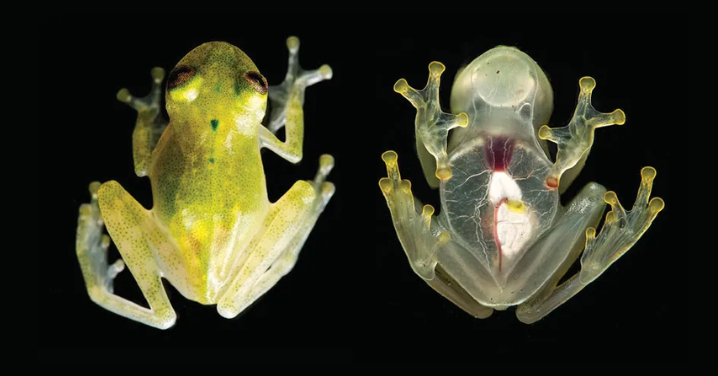
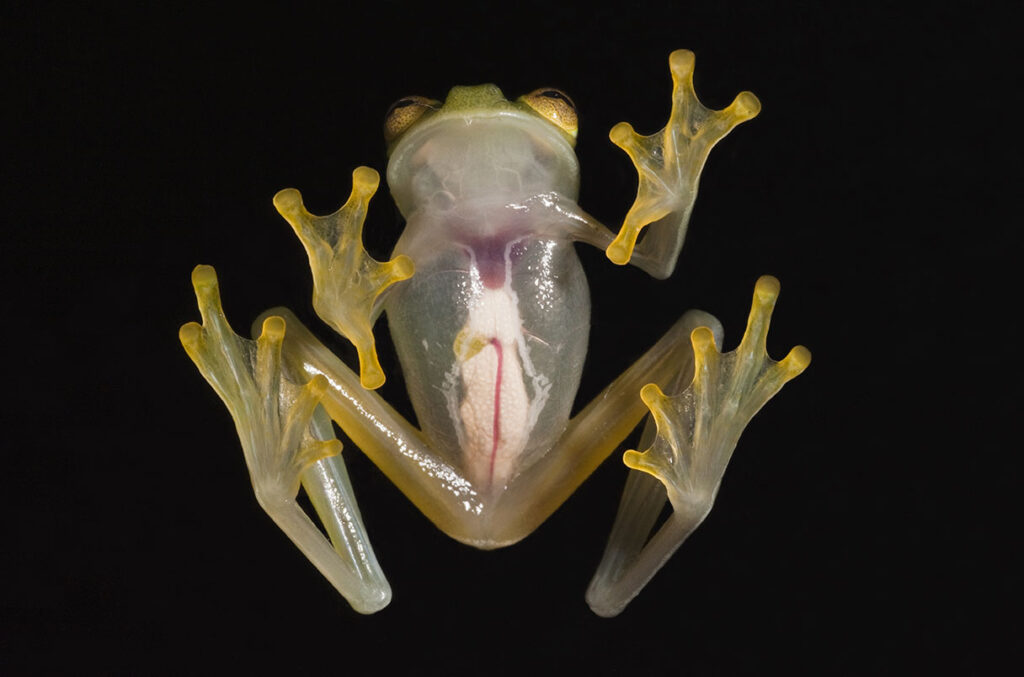
The glass frog, belonging to the family Centrolenidae, is primarily found in the rainforests of Central and South America. These frogs are renowned for their almost transparent skin, which allows a fascinating view of their internal organs. This remarkable adaptation is not just a whimsical trait but a sophisticated survival strategy that helps them blend into their leafy surroundings, making them nearly invisible to predators.
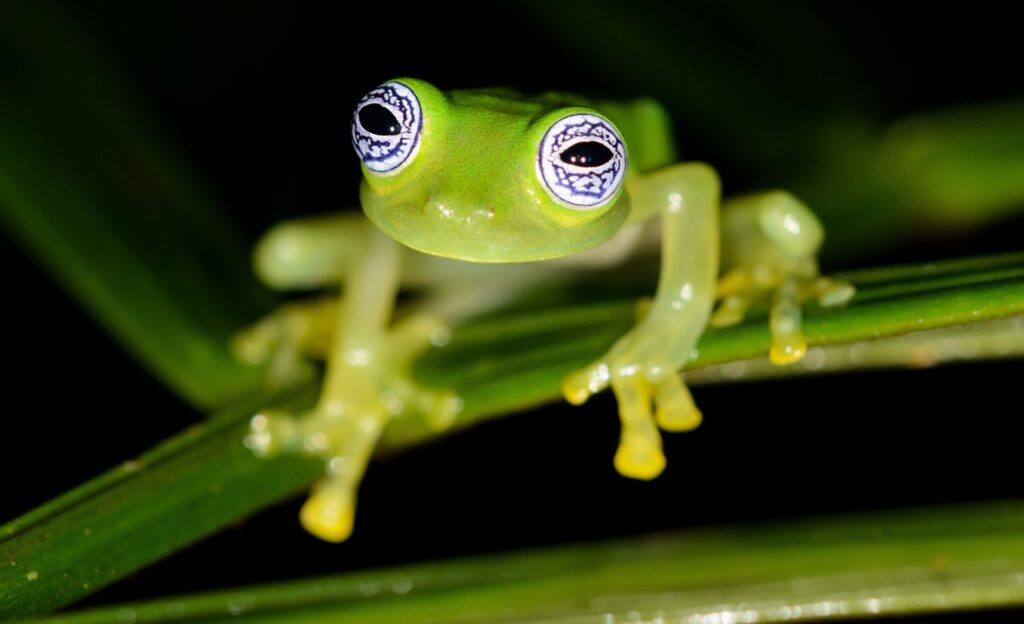
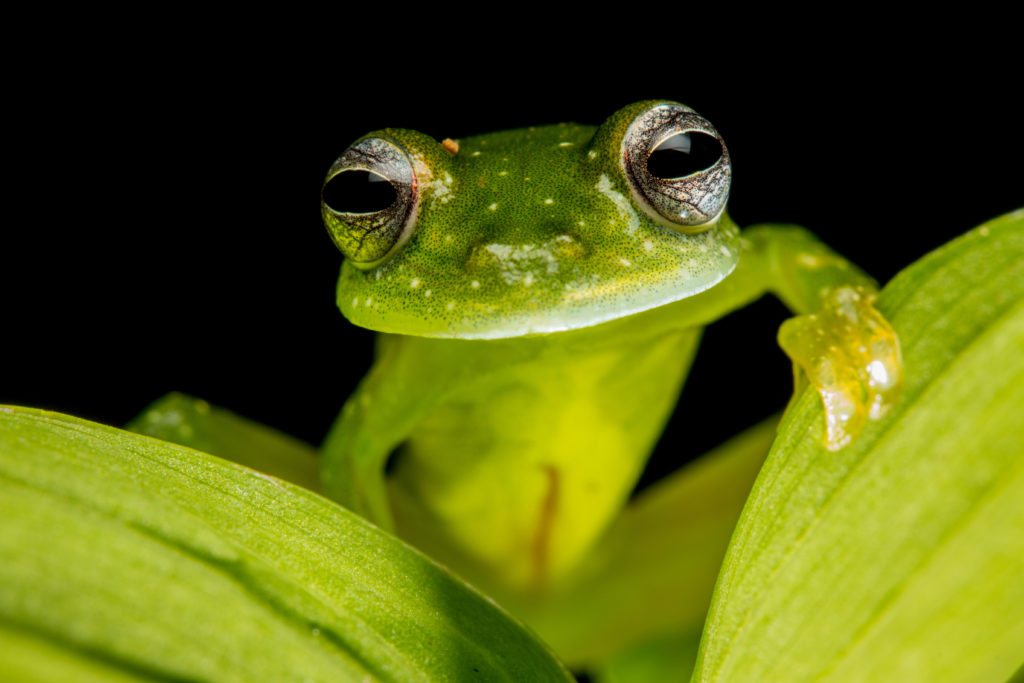
Observing a glass frog is like peering into a living biology lesson. Through their see-through skin, one can glimpse the heart pumping, the liver, and even the digestive tract at work. This extraordinary transparency serves as a natural camouflage, a perfect adaptation to life in the treetops. It’s like having a window into the very essence of life, a rare opportunity to observe the inner workings of a living creature in its natural habitat.
Glass frogs are relatively small, often comparable in size to a coin. They possess a delicate and fragile appearance, but don’t let their size fool you – these frogs are resilient and have adapted brilliantly to their environment. The males, in particular, are fiercely protective of their offspring. During the breeding season, they guard their eggs, which are laid on the underside of leaves hanging over water bodies, with remarkable dedication. Once the tadpoles hatch, they drop into the water below, beginning the next stage of their life cycle.
The diet of the glass frog is typical of many small amphibian species, consisting mainly of insects and other small invertebrates. Their hunting strategy is both patient and precise, waiting silently for an unsuspecting insect to wander too close before striking with remarkable accuracy. It’s a testament to the finely tuned balance of ecosystems where every species, no matter how small, plays a vital role.
But the existence of the glass frog, like many other species in the rainforests, is threatened by human activities. Deforestation and climate change are real dangers that not only threaten the survival of these unique amphibians but also the delicate balance of their habitats. Loss of habitat due to logging and agricultural expansion has resulted in a decline in their populations, raising concerns amongst conservationists.
In response, numerous efforts are being made to protect these incredible creatures. Conservationists are working tirelessly to preserve their natural habitats and raise awareness about the threats they face. Research into their biology and ecology provides vital information that can help in their conservation. It’s a race against time to ensure that future generations can continue to marvel at the wonder of the glass frog.
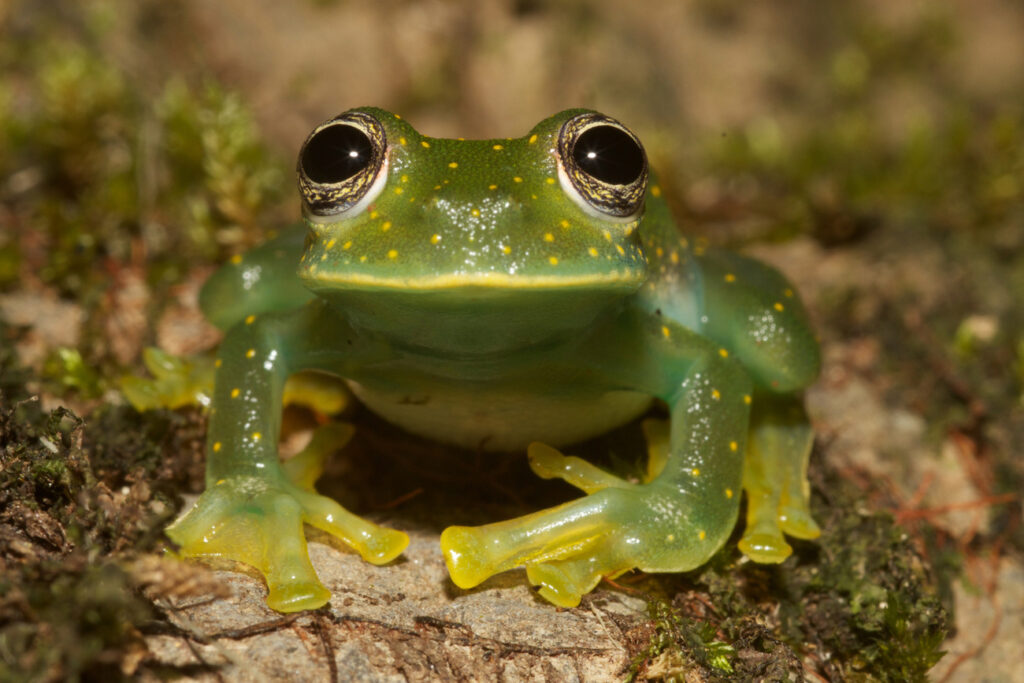
The glass frog, with its unique characteristics and the challenges it faces, serves as a reminder of the incredible diversity of life on our planet and the importance of conserving our natural world. For those of us in South Africa and elsewhere, these frogs symbolize the beauty and fragility of nature, urging us to appreciate and protect the natural wonders of our world.
As we continue to learn about these fascinating creatures, we are reminded of the interconnectedness of all life. The story of the glass frog is not just about a single species; it’s about the entire ecosystem and our role in preserving it. Their survival and prosperity are inextricably linked to the health of the rainforests and, by extension, the well-being of our planet.
For nature enthusiasts, the glass frog offers a unique and captivating subject for study and admiration. Their almost mythical appearance and intriguing life habits provide endless fascination and wonder. They are a source of inspiration for artists, scientists, and anyone who appreciates the beauty and complexity of the natural world.
In conclusion, the glass frog is more than just an amphibian with transparent skin; it’s a symbol of nature’s magic and mystery. It reminds us of the delicate balance of ecosystems and the importance of conservation. As we continue to explore and understand the world around us, let’s keep in mind the lessons taught by these remarkable creatures. Their existence enriches our world, and it’s our responsibility to ensure that they continue to thrive for generations to come.
As we wrap up our journey through the world of the glass frog, it’s clear that these remarkable creatures are not just a wonder of nature but also a crucial part of our planet’s biodiversity. Their story is a call to action for all of us, a reminder of the importance of conserving the natural world and its inhabitants. Let’s carry forward the lessons learned from the glass frog and work towards a future where nature and humanity coexist in harmony.