
The Real Reason I Don’t Answer Phone Calls? It’s Emotional Warfare
 0
0
 0
0
 0
0
0
0
Look, let’s be honest here. We’ve all done it—watched our phone buzz, vibrate, ring or even flash a name we actually recognise, and yet still chosen the safer, guilt-free path of completely ignoring it. It’s a universal truth, as undeniable as South Africa’s obsession with braai or how we all pretend to understand what cryptocurrency is. But here’s the thing: the reason I (and probably you too, let’s face it) don’t answer phone calls isn’t just laziness or millennial avoidance tactics—it’s because phone calls are basically emotional warfare in disguise.
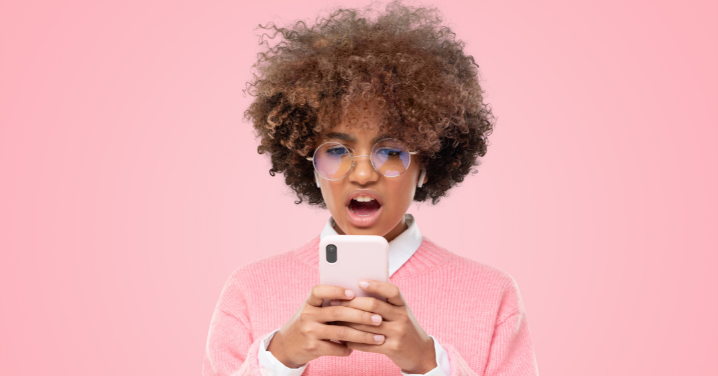
Think about it. Your phone ringing unexpectedly is essentially a tiny terrorist attack on your peace of mind. One minute, you’re innocently scrolling through TikTok videos about cats doing things no cat has any business doing, and the next, your phone starts to ring and your heartbeat rockets. Anxiety spikes, panic sets in, and suddenly you’re negotiating with your own conscience faster than Eskom can plunge us into darkness.
“Do I answer it? What if it’s important?” Immediately followed by, “What if it’s not? What if someone just wants to sell me funeral cover again?” or worse, “What if someone wants to talk about my feelings?” The sheer pressure of making a split-second decision whether to emotionally invest in a conversation is something I’m simply not built to handle at 3 pm on a random Tuesday.
Let’s be real here—texting exists for a reason. It’s civilised. It gives us the precious commodity that a phone call ruthlessly steals from us: time. Time to think, time to craft the perfect witty reply, or simply to come up with an adequate lie about why we don’t want to join a friend’s cousin’s housewarming party in Randburg.
With texting, you can calmly reply with, “Sorry, just saw this now,” approximately three weeks after the original message. No judgment, no fuss, just mutual understanding. But try doing that on a call. Imagine picking up the phone after three weeks and casually dropping, “Sorry man, just noticed you called… What’s up?” The social repercussions alone would be disastrous, and you’d likely be banned from every friend group from Durbanville to Sandton.
Answering a phone call immediately makes me feel trapped. There’s nowhere to hide, no convenient buffering symbol to fake a bad connection, and no emoji to soften the awkwardness of blunt honesty. Instead, you’re thrown head-first into a real-time interaction without any protective armour. You’ve got to rely solely on your ability to pretend everything is fine—even if you’ve just watched three hours of conspiracy theory documentaries on Netflix and are questioning your entire existence.
Then there’s the performance anxiety. A call means having to sound chipper or interested, or even worse, stable. You have to act like you haven’t spent the past two hours binge-eating Woolies snacks in your pyjamas while emotionally spiralling about inflation, your ex, and whether your houseplants secretly hate you. It’s emotional gymnastics, and frankly, I’m exhausted just thinking about it.
Calls also carry a risk factor. Like that time my phone rang, and without thinking, I picked it up because it seemed urgent. Cue my mother asking, “When are you coming for Sunday lunch?” which translated roughly from mom-speak means, “Why haven’t you visited me in three months, and do you even still love your mother?” By the end of that conversation, I had committed to lunch, dinner, fixing her Wi-Fi, and somehow also agreed to explain WhatsApp voice notes again. None of which would have happened if we’d stuck to texting.
Then there are the unscheduled catch-ups—phone calls that were supposed to be five minutes, max, but somehow evolve into 45-minute marathons about someone’s workplace drama, their cat’s anxiety medication, or how Auntie Carol posted something politically problematic again on Facebook. Text messages would contain this madness, limiting us to a succinct, safe exchange of emojis. But on a call? You’re trapped until someone mercifully mentions that their phone battery is dying—even if you both know that’s probably a lie.
Look, I get it. Sometimes calls are genuinely unavoidable. Emergencies happen, deliveries get lost, and occasionally your dentist’s receptionist needs a verbal confirmation that you’re still planning to come in for a cleaning. But aside from that, we live in a golden age of messaging platforms. WhatsApp, Telegram, Messenger—heck, even LinkedIn messaging would be preferable at this point. Why, then, do we cling so stubbornly to the archaic method of ringing someone out of the blue?
We even have voice notes now, which are basically the socially acceptable way to talk to yourself without anyone judging you. Voice notes let you ramble for three whole minutes uninterrupted, with zero expectations of immediate feedback. It’s therapeutic. It’s beautiful. It’s exactly what emotional wellbeing feels like.
But phone calls? Nah, that’s pure chaos dressed up as human connection. It’s intrusive, demanding, and quite frankly a bit presumptuous. It assumes I have my life together enough to actually speak coherently without preparation, notes, or at least a half-decent espresso beforehand.
There’s a certain etiquette that should be universally adopted around phone calls. For example, if you absolutely must call, at least send a warning text first. A simple, “Hey, can you chat quick?” or even better, “It’s urgent, brace yourself,” would allow me to mentally prepare or invent a believable excuse about being trapped in traffic on the N1.
And let’s not forget the most treacherous of all phone calls: video calls. Video calls should be banned outright. Who willingly signs up to expose their tired face, messy flat, and questionable life choices to scrutiny on screen, live and in HD? If your call involves needing to see my face, you’d better be prepared to handle the truth: that I’m probably wearing last night’s shirt, my hair looks like it survived an attack by disgruntled pigeons, and my eyes are glazed over from too much screen time. Video calls are an invasion of privacy no one should willingly endure.
So here’s my plea, my humble request to humanity: let’s collectively agree that phone calls are an outdated, unnecessary emotional battle. Let’s embrace text messages, voice notes, memes, and even carrier pigeons if we must. But let’s leave unexpected phone calls behind us, where they belong, next to fax machines, dial-up internet, and Mixit accounts.
After all, if someone truly needs me, they’ll find a way—preferably via text.