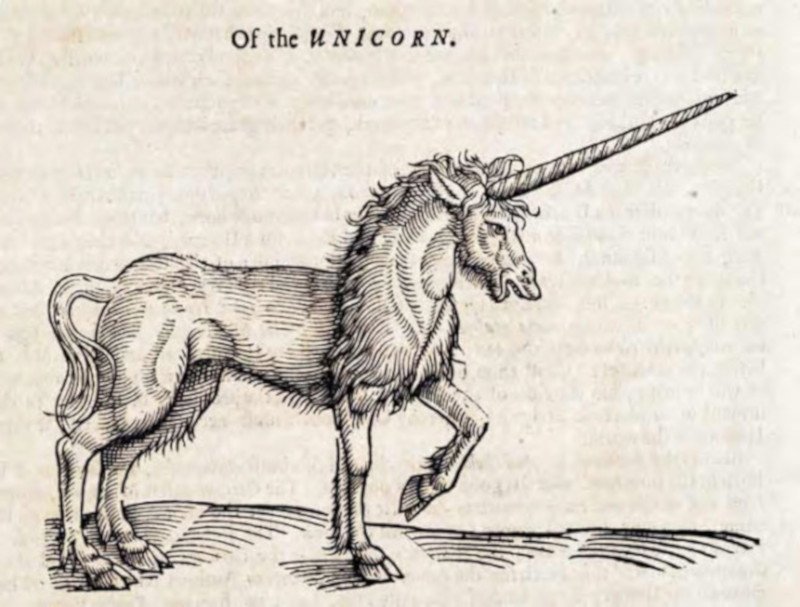
The Story of Scotland’s Unicorn
 0
0
 0
0
 0
0
0
0
Venture into the captivating narrative of Scotland’s selection of the unicorn as its national emblem, a decision that intertwines myth with profound historical and symbolic significance.
The unicorn has held a place of honour in Scottish culture since the 12th century, representing not only purity and strength but also an enchanting aura that resonates deeply within the Scottish soul. This mystical creature became a beacon of hope and resilience during Scotland’s historical conflicts, particularly in its confrontations with England, embodying the fierce spirit and the aspiration for independence that define the Scottish ethos.
The significance of the unicorn was further cemented in the 16th century when King James VI of Scotland, who also ascended to the throne of England as James I, officially recognized the unicorn as the national animal. This act was more than a mere formality; it was a declaration of Scotland’s enduring identity and sovereignty, intertwining the mythical grace of the unicorn with the nation’s fate.
Today, the unicorn’s influence is omnipresent in Scotland, similar to the role of the bald eagle in the United States. It is a prominent feature on flags, souvenirs, and even the currency, symbolizing Scotland’s pride and distinctiveness. The depiction of the unicorn, often seen supporting the Scottish coat of arms, serves as a testament to the country’s rich historical tapestry and a symbol of its ongoing narrative.
Choosing the unicorn as the national emblem is a celebration of Scotland’s unique heritage and indomitable spirit. It bridges the past with the present, reminding us of Scotland’s continuous struggle for sovereignty and its commitment to maintaining a distinct identity. The unicorn, with its noble presence and mystical allure, encapsulates the strength and resilience that lie at the core of the Scottish character.