
The Unwritten Rules of Public Transport You Should Definitely Know
 0
0
 0
0
 0
0
0
0
Public transport: the daily stage where the drama of urban life unfolds in awkward silences, shared space negotiations, and the constant game of “Should I offer my seat or pretend not to see?” For many of us, it’s a necessary part of the routine—trains, taxis, buses, and minibus kombis all getting us from point A to B with a cast of strangers, questionable smells, and the occasional unspoken connection. But while there might not be a formal guidebook, there are definitely unwritten rules that everyone is silently expected to follow.
Rule one: don’t be a seat hog. Unless you’ve paid for two tickets, your bag doesn’t deserve a seat. The train isn’t your living room and your backpack isn’t royalty. If someone’s standing and you’re seated with your gym bag beside you like it’s your plus-one, you’ve committed a crime against decency. Move it. Make space. Be a grown-up.
Next, headphones. Use them. Loudly playing music or watching videos without earphones should be punishable by instant ejection. No one wants to hear your motivational podcast or your cousin’s WhatsApp voice notes on speaker. The shared soundtrack of public transport should be nothing more than the rhythmic hum of movement and the occasional awkward cough.
When it comes to seating hierarchy, there’s an invisible but very real system. Elderly people, pregnant passengers, and people with visible disabilities always get priority. It’s not a suggestion—it’s a rule. If you have to debate whether someone looks pregnant enough or old enough to deserve your seat, you’ve already lost the moral high ground. Stand up. No applause necessary.
Then there’s the eye contact dilemma. Too much and you’re creepy, too little and you seem dodgy. The solution? Master the middle-distance stare. Look just thoughtful enough, just unfocused enough. Pretend to read a sign or check your phone, even if it’s off. It’s all about giving people their bubble without completely disconnecting from reality.
Public grooming? Absolutely not. Brushing hair, clipping nails, or applying a full face of foundation is a breach of the social contract. A bit of lip balm or a last-minute mascara swipe is forgivable. Anything beyond that is an invasion of communal airspace.
Volume matters. Phone conversations should be brief, quiet, and preferably boring. If we all know that your ex is texting again or that your boss is a nightmare, you’ve shared too much. Same goes for group chats on speaker. We didn’t ask to be part of your drama.
Blocking doors? A classic rookie error. If you’re standing near the entrance, be ready to move. Don’t glare at the person trying to squeeze past you—they’re not the problem. You are. Also, let people exit before you board. This isn’t a rugby match. You’ll get on.
And please, for the love of sanity, control your snacks. No one wants to smell hot chips or curried something at 7:30 in the morning. The bus isn’t a picnic blanket. Save the saucy samoosas for later.
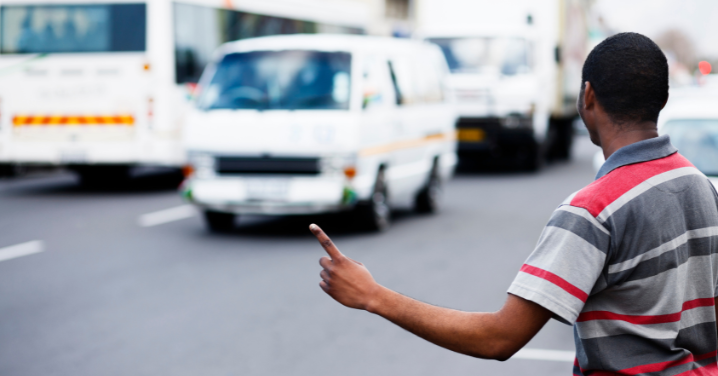
South Africa has its own unique transport vibe—whether you’re catching a Gautrain, squeezing into a kombi, or braving rush-hour traffic in a metered taxi. Each mode has its own rhythm, its own unspoken signals. In a taxi, greet the driver. Pass the money. Don’t make a scene. The sense of shared responsibility is sacred.
Ultimately, public transport etiquette is about awareness. You’re not travelling alone. You’re part of a shared ecosystem, an unspoken community of daily commuters just trying to get through the day with as little awkwardness as possible. A little consideration goes a long way.
So next time you’re riding the rails or bouncing along a potholed taxi route, remember the basics: keep it quiet, keep it clean, and for heaven’s sake, keep your knees to yourself.