The Green Flame: Your Ultimate No-Nonsense Guide to Magical Tools
 0
0
 0
0
 0
0
0
0
Right, let’s be honest. The second you tell someone you’re a witch (or even just spiritually curious), there’s a moment where their brain short-circuits and pulls up every film they’ve ever watched. Flying broomsticks, black cats, pointy hats, and enough candles to burn down a small village. But here’s the real tea: modern witchcraft isn’t about recreating scenes from a fantasy film. It’s about working with energy, intention, and the world around you—and if a wand or a cauldron helps you connect to that, brilliant. But don’t for one second think you need a house full of ancient artefacts to be a proper witch. You are the magic. Everything else is just accessories.
Let’s start with the crowd favourite: the wand. It’s the most iconic symbol of magic there is. It shows up in every fantasy book, every mystical film, and probably every Halloween aisle at your local store. But in actual witchcraft? A wand is a tool for directing energy. You’re not firing off lightning bolts—you’re focusing your intent. It’s an extension of your will, a bit like a spiritual laser pointer. Some witches use fancy handcrafted ones made of rare woods and crystals; others use a stick they found on a walk that just felt right. I’ve even known someone to use a chopstick (clean, I should add). The truth is, your finger works in a pinch. It’s less about the stick and more about the purpose behind it. So if you’re stressing because you don’t have a wand yet, take a breath. Pick up a stick that feels good in your hand and get started.
Then there’s the cauldron. Ah, the drama of it. It’s big, it’s black, it’s boiling with mystery and herbs and maybe something bubbling slightly ominously. The cauldron symbolises transformation—it’s a vessel of change. In ancient times, it was tied to rebirth and the divine feminine. These days, it’s often used for burning things safely, brewing herbal mixes, or even just holding moon water. But if you don’t have a cast-iron pot lying around? No worries. A small fireproof bowl will do. Your trusty coffee mug? That too, provided you’re not setting it on fire. There’s something deeply magical about using everyday objects with sacred intent. That mug you always grab when you’re feeling down? That’s a magical item in its own right.
Next up is the athame—the ritual blade. Sounds intense, doesn’t it? Like you need to go on a quest to earn it from a sword-wielding grandmother. But it’s actually a symbolic tool, not a weapon. It represents your ability to cut through illusions, set boundaries, and direct energy. And before you ask—no, it’s not used for cutting physical things. It’s a spiritual tool. If you have one, great. If you don’t, you can use a butter knife, a letter opener, or even your hand in a slicing motion. Remember, magic doesn’t need to be literal. It needs to be intentional. A blade is powerful because you treat it with purpose—not because it came from a fancy online shop.
Chalices are another tool you’ll see on lots of altars. They represent water, emotions, the divine feminine, and receiving. The chalice is a sacred cup used in rituals to hold water, wine, or even juice if that’s your thing. It’s not about what’s inside—it’s what it represents. That sense of openness, of connecting with flow. Do you need a golden goblet with dragons on the side? Not unless that’s your aesthetic. Your favourite wine glass, the chipped mug you’ve had since university, or even a teacup with a crack in it can hold just as much magic. It’s all about your connection to it.
Let’s not forget candles. Witchcraft and candles go together like tea and rusks. They’re versatile, beautiful, and they really help set the mood. Colours can correspond to different intentions—green for abundance, pink for love, black for protection—but if you’re just starting, don’t stress about having the full rainbow. White candles are universal. You can assign them any purpose. Don’t overlook the half-burned birthday candle in your junk drawer. Magic is about practicality too. I once did an entire ritual with four tealights and a leftover vanilla-scented candle from a Christmas gift box. It worked because I believed it would. That’s the secret.
Now, onto crystals. These are a bit like the jewellery of the magical world—sparkly, pretty, and everyone’s got opinions about them. There are endless guides on what each crystal does, and if you’re into it, go for it. But again, you don’t need a full geological collection to start practising. A small piece of rose quartz can be more powerful than a mountain of stones you bought just because they were trending on TikTok. And don’t ignore rocks and shells you find in nature. If they feel special to you, they’re worth honouring. That one stone you picked up on the beach while processing a breakup? That’s a powerful tool, friend.
You might’ve heard of besoms—that’s the witchy broom. Traditionally made of birch, ash, and willow, they’re used to sweep away stagnant energy before a ritual. Some people hang them above doorways for protection. Are they necessary? Not really. Useful? Definitely. Can you use your regular broom? Of course. Just make sure to cleanse it if you’ve recently been sweeping up dust bunnies and spilled cereal. The symbolic act of “sweeping clean” is what matters here. You’re making space for intention, not just doing spring cleaning.
Let’s talk about mirrors. Used for scrying, reflection, and sometimes banishing work, mirrors are powerful gateways in magical practice. You don’t need a special mirror with a pentacle etched into it. Your regular bathroom mirror works. Even a compact mirror will do. I’ve had full moon chats with myself in a mirror that still had toothpaste flecks on it. It’s not about perfection—it’s about presence. When you look into a mirror during magical work, you’re confronting yourself. You’re asking questions, inviting truth, and opening to possibility.
Now, we can’t ignore tarot and oracle cards. These are the tools people seem to fear the most when starting out—like they’re too complex or sacred. But they’re just paper and ink until you breathe life into them. You don’t need to memorise every card or be psychic to use them. Start small. Pull one card a day. Sit with it. Let your intuition speak. You don’t need a deck that cost a fortune—second-hand decks or gifts from friends can carry beautiful energy. And if cards don’t speak to you? There are other forms of divination. Pendulums, runes, tea leaves, dice. Try things. See what clicks.
Incense is another go-to. It’s great for cleansing, setting the mood, and marking ritual space. But it’s not for everyone—especially if you’ve got allergies or live with someone who’s sensitive. If incense doesn’t work for you, use essential oils, room sprays, or even fresh herbs on a charcoal disk. You can also just clap your hands, play a bell, or hum a tone to shift the energy. Witchcraft is adaptable. That’s the beauty of it.
Speaking of adaptability—notebooks and journals might not seem magical, but they’re one of the most essential tools in the craft. Writing things down helps you track patterns, remember rituals, and spot synchronicities. Whether it’s a grimoire, a book of shadows, or just a R20 notebook from the corner shop, documenting your practice makes it real. And you don’t need to wait until your handwriting is perfect or you have the “right” book. Start messy. Magic loves the real.
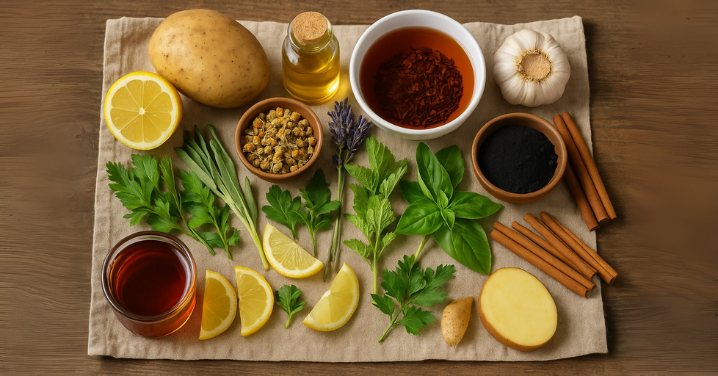
One thing people often overlook is the magic of your kitchen. Salt, cinnamon, rosemary, vinegar—all of these are potent magical tools. Stirring clockwise for positive energy, cleaning your space with intention, baking bread as an offering—this is all kitchen witchery at its finest. Your kitchen is an altar if you let it be.
And that brings us to altars themselves. An altar is just a space where you focus your energy. It can be as elaborate or as simple as you like. A full table covered in candles, statues, and crystals? Brilliant. A shelf with a single photo, a stone, and a candle? Also brilliant. Even a corner of your desk with a plant and a feather can be sacred. You’re the one giving it meaning. You’re the one turning it into something holy.
Now let’s talk about why you don’t need to own everything at once. It’s tempting, I know. Especially when every Instagram witch seems to have a perfectly styled altar and more tools than a hardware store. But don’t fall into the trap of magical consumerism. You don’t need to buy your way into the craft. Start where you are. Use what you have. Let your practice grow naturally. There’s something beautiful about starting with nothing but your breath, your hands, and your will. That’s pure magic.
Tools are great. They can be meaningful, grounding, and powerful. But they’re not requirements. They’re support beams, not foundations. The foundation is you—your heart, your energy, your connection to the world around you. You’re not less of a witch because your altar is a bit dusty or because your wand is a stick you found in your garden. You’re not doing it wrong because your cauldron is a soup bowl or your chalice is a mug that says “Monday is cancelled.” You’re doing it right because you’re doing it with intention.
At the end of the day, the most powerful tools in witchcraft are free: your intuition, your breath, your voice, your connection to nature, your ability to choose and act with purpose. Everything else is optional flair. Gorgeous, yes—but optional.
So here’s your permission slip to start small. Use what you have. Ignore the pressure to be perfectly kitted out. You don’t need a cupboard full of tools to be a powerful witch. You need belief, intention, and a bit of cheeky courage.
And if all else fails—light a candle, say a few words, and wave your favourite teaspoon around like it’s a sacred relic. The spirits won’t mind. They’ve seen weirder.