When Fandom Becomes Home: Why We Rewatch, Revisit, and Reconnect
 0
0
 0
0
 0
0
0
0
You’d think that after all these years—new shows, better animation, deeper plots—we’d eventually let go of the older stuff. But here we are, still quoting Dragon Ball Z, still humming theme songs from the ‘90s, still getting emotional over things we’ve seen a hundred times. Why? Because some fandoms just…stick. They become more than stories. They become part of who we are.
Whether it’s DBZ, Sailor Moon, Pokémon, Avatar: The Last Airbender, or whatever you obsessed over as a kid, these shows hit different. Not just because they were good (though, let’s be honest, Dragon Ball Z still slaps), but because of what they represented. They were part of our firsts—first heroes, first villains, first lessons about courage, loss, loyalty, transformation. They held our hands when we didn’t have the words for how we felt. And even now, years later, they still feel like home.
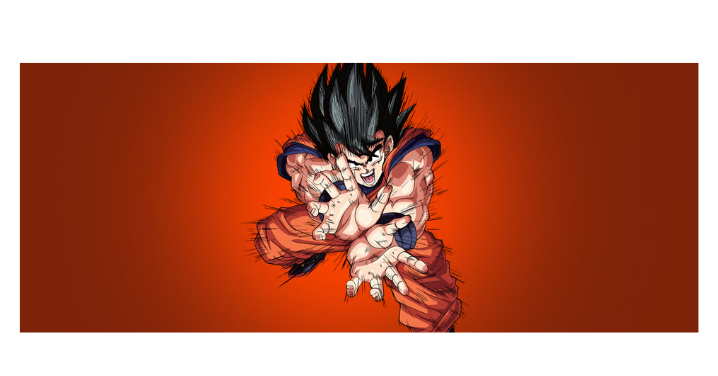
There’s comfort in returning to the familiar. When life gets chaotic, overwhelming, or just plain dull, popping on an old episode of something like DBZ is like emotional comfort food. You know exactly what’s coming—Goku’s going to scream for a bit, a new power-up will happen, and somehow that Spirit Bomb still takes five episodes to charge—but you don’t mind. That predictability is the point. It feels safe.
It’s also a way of staying connected—to your younger self, to your friends, to a time that maybe felt simpler. Fandoms like Dragon Ball Z weren’t just shows—they were communities. Schoolyard debates over who’d win in a fight, swapping burnt DVDs, staying up late to catch the Toonami lineup, drawing your own Saiyan forms in the margins of homework… It wasn’t just entertainment. It was you.
And let’s not pretend these stories were shallow. Sure, DBZ had its filler arcs and pacing issues (we all remember the Frieza saga dragging on for what felt like our entire childhood), but it also tackled loyalty, sacrifice, redemption, and resilience. Vegeta’s arc alone? Still iconic. And watching it now, as an adult, hits differently. You catch the nuance. You appreciate the stakes. You feel the growth.
These fandoms also keep evolving. The fact that Dragon Ball Super exists and is still going strong says a lot. But even if there were never new episodes, fans keep them alive—through fanfiction, art, TikToks, memes, cosplay, headcanons, rewatch marathons. They’re not frozen in time. They’ve grown with us. They’re layered with new meaning because we’ve changed, and they’re still here.
There’s also a cultural connection that can’t be ignored. Certain fandoms defined eras. They were rites of passage. If you were around during DBZ’s heyday, you know what “over 9000!” means without context. That shared language? That matters. It’s a kind of shorthand for belonging. You find someone who loves the same show, and you’ve already got common ground.
And now, with streaming, nostalgia-fuelled merch, and entire online communities dedicated to old-school fandoms, it’s easier than ever to revisit them. Not because we’re stuck in the past—but because some things are worth revisiting. Like checking in on an old friend. One who reminds you of who you were, how far you’ve come, and the joy that got you through some weird, awkward years.
So if you still get hyped watching Gohan go Super Saiyan 2, or you’ve cried at the same One Piece arc more than once, or you’re rewatching Naruto again just to feel something—that’s not childish. That’s real. That’s connection. That’s being part of a story that still matters.
We keep coming back because it’s not just about the shows. It’s about who we were when we watched them. Who we became because of them. And who we still are now, clutching our box sets and quoting lines with our whole chest.
Fandom isn’t about moving on. It’s about holding on—to what made us feel alive, inspired, weirdly seen. So yes, we still love Dragon Ball Z. And we always will.