
The True Story of Jack the Baboon, South Africa’s Smartest Signalman
 0
0
 0
0
 0
0
0
0
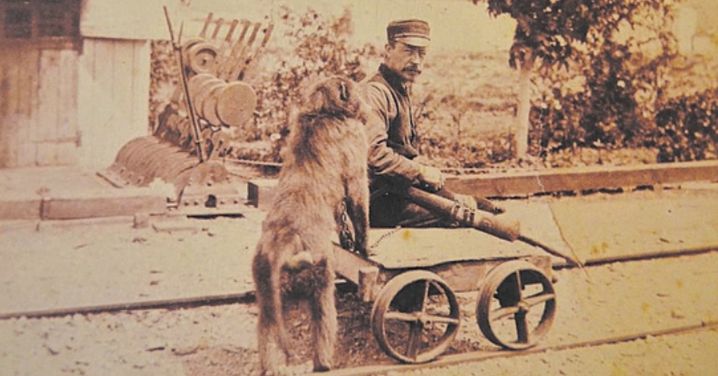
There are stories that feel like they were invented by someone who had too much time in a pub and not enough sense. Then there are stories that actually happened. The tale of Jack the baboon is the latter, wrapped in equal parts absurdity, resilience, and a small measure of national pride. It is the story of a man who lost his legs on the railway lines, and the primate who refused to let that stop him from doing the job he loved.
Picture Uitenhage in the late 19th century. Steam trains hiss, men in heavy boots smell of oil and sweat, and the rhythm of the rails keeps the town moving. James Wide was one of those men. He was a signalman, which meant you trusted him with the levers that told trains when to stop and when to go. One day, fate and metal had other plans. An accident took his legs. That would have ended any normal career. James was not normal in the way that matters.
Not long after the accident, James bought a pet. Not a lapdog or a canary. He bought a young chacma baboon, later known to the world as Jack. Some say he did it for companionship. Some say he wanted help. I like to think he also did it because if anyone could teach a baboon to do a job that required patience, dexterity and the occasional swear word, it was James.
Training Jack was not pretty or polite. A baboon is not a human in a suit. He does not care for civility. He does, however, possess astonishing intelligence, nimble fingers and an attention span suspiciously suited to signal work. James taught Jack to recognise signals, to pull levers in the correct order, to fetch keys, to climb down into the signal box and fetch tea. Jack learned which levers made the far lights blink, which made the steam engine pause and which meant the guard could relax. Inspectors came, sceptical, and left bewildered. Jack never made a mistake.
We need to pause here and breathe in the sheer, ridiculous excellence of this. South Africa produced a moment where necessity, innovation and a healthy disregard for bureaucracy combined to make a success story that could only be true. Jack was paid for his work. Not in rands and cents obviously, but in food, shelter and, it is said, a daily tot of beer. He was given duties and he performed them. The company treated him like an employee. When Jack died, they even held a funeral.
There is a darker reading of this story, and it deserves mention. The late 1800s were not humane times. A lot of things we would now call cruel were then called progress. Training an animal to do a human job raises ethical eyebrows. Did Jack want to be a signalman? Probably not in any contemplative way. He wanted bananas, the occasional scratch, and respect for his inner primate. James, however, provided care and purpose. For a man who had lost much, Jack gave back an independence that a wheelchair alone might have failed to return. The relationship was symbiotic in the best sense. It was survival, upgraded with affection.
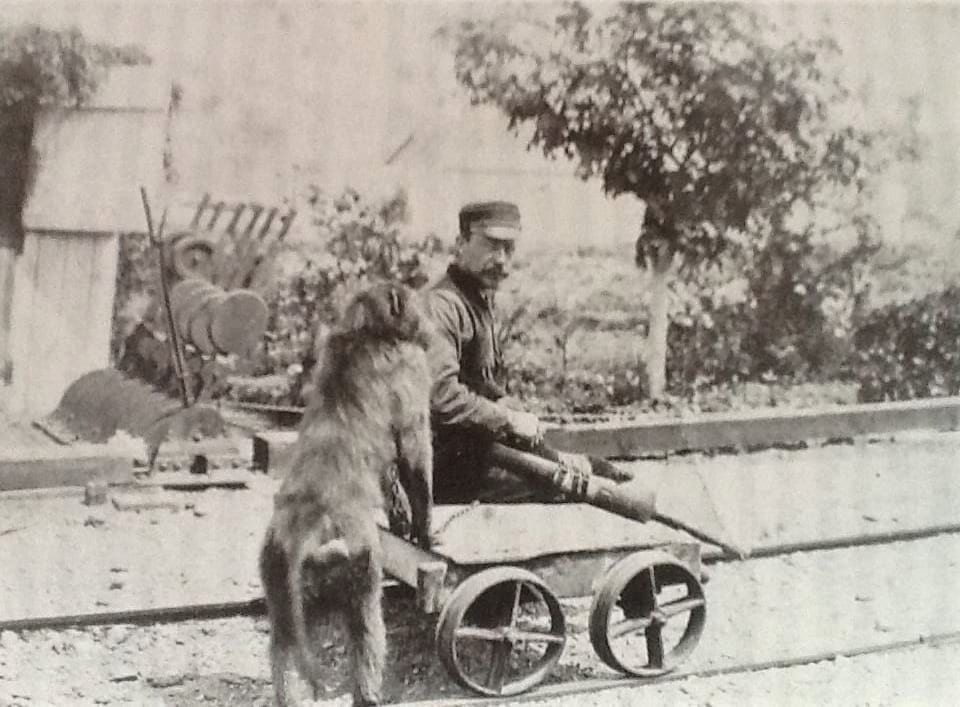

The world loved the story then because it was part marvel, part novelty. Newspapers wrote about the baboon signalman and tourists came to see the creature that could outwork a clerk. The company that employed James eventually recognised Jack in a peculiar, official way. Stories claim inspectors tested Jack by giving him a hundred different scenarios and the baboon nailed them all. True or embellished, the point remained: Jack became an emblem of determination, the sort of anecdote that makes people grin when times are tough.
There is also a very South African flavour to the narrative. We like improbable success. We find a way when the odds are stacked. Sometimes our solutions are messy. Sometimes they are gloriously unorthodox. A baboon on the railway in Uitenhage is exactly the kind of local myth that says as much about national character as it does about the two protagonists. It asks us to admire cleverness wherever we see it and to accept that dignity does not live only under a hat or in a suit. Dignity can live in a signal box with a creature who enjoys a dram of beer and the satisfaction of a job well done.
If you ever visit Uitenhage, or Cape Town museums that curate oddities of the colonial era, look for mentions of Jack. He is not a saint. He is not a moral lesson with a neat bow. He is a reminder that life bends strange ways, and sometimes those bends create something unexpectedly humane. James Wide kept working because he could, and Jack kept helping because the world rewarded cleverness and loyalty in a way both animals and humans understand.
So next time a bureaucratic form says you cannot do something because the boxes do not line up, remember James and Jack. Sometimes it pays to be inventive. Sometimes it pays to teach a baboon how to pull a lever. Sometimes it simply pays to have a friend who refuses to let you stop.