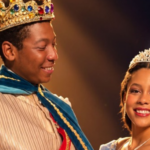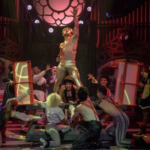

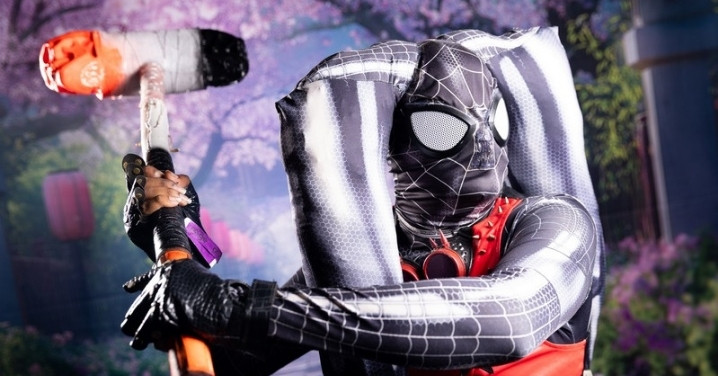
There is a moment at every rAge when someone walks past in a costume so good you forget you are in a Johannesburg expo hall and not inside a video game. You look at your friend. Your friend looks at you. Somebody spent months on that.
That is exactly the point. For years, cosplay was treated as the fun bit on the side of gaming events, great for photos and not much else. That idea is ageing badly.
Behind every finished character sits a crew of skills: sewing, armour building, wig styling, make-up, prop making, photography and performance. A few minutes on stage can take months of work.
It is not a new fad either. Fans were dressing up at science fiction conventions back in 1939. The word “cosplay” only arrived in 1983.
Jade Bayes, Head of Cosplay at Gaming Entertainment Solutions, puts it well. Cosplay is not entertainment happening next to gaming, she says, it is part of gaming culture itself, and it gives games a life beyond the console or PC.
You see it at every festival. Families who have never held a controller come for the spectacle. Kids meet Princess Zelda in person. Artists, photographers and anime fans find their people. Cosplay is the welcome mat.
South Africa is also punching well above its weight. Princess Sachiko has built a huge online following with high-energy character transformations, proof that you do not have to wait for a gatekeeper to reach a global fandom.
Kinpatsu Cosplay turned years of costume making into an international education platform, complete with tutorials, patterns and books.
Ludus Cosplay and Jinxie Cosplay have both flown the flag on the international competition stage with detailed, technically ambitious builds that blend fashion, history and some seriously clever construction.
Brands are catching on too. Studios now book cosplayers for launches, premieres, esports tournaments and retail activations, because fans can tell the difference between someone who loves a character and someone who was handed a costume. As Bayes points out, that means work for a whole network of South African creatives.
Here is the part I want everyone to hear, though. Cosplay is creative labour. Some costumes swallow hundreds of hours and a frightening amount of money in materials. Exposure is lovely, but it does not pay for foam and glue.
That is where Nedbank rAge Nation comes in. The festival has long championed the idea that cosplay is for everyone, with beginner-friendly spaces and children’s competitions sitting alongside the serious contests, the Lip Sync Cosplay Battle and initiatives like the Great Cosplay Indaba, which connects creators across Africa.
As rAge heads into its next chapter, the goal is bigger platforms, brand connections, training and real pathways to international exposure.
South African cosplay no longer needs to prove it belongs. The next level is making sure the people behind the costumes are properly recognised, supported and paid for the magic they make.