

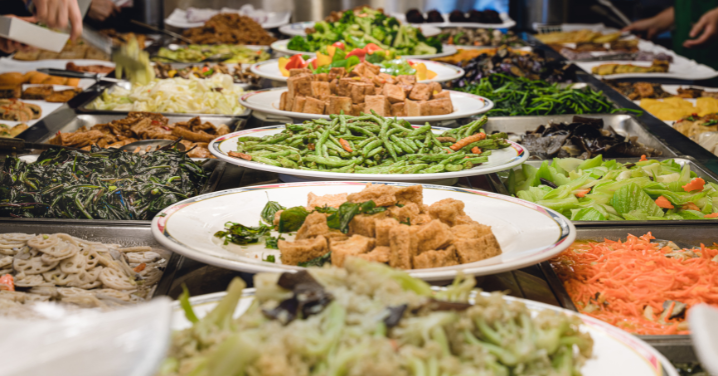
Veganism gets a weird rap. Say the word, and people either brace themselves for a lecture or immediately start listing all the foods they could “never give up.” It’s as if just mentioning tofu in public summons a kind of defence mode where someone has to say, “But bacon, though.” And look, fair enough—food is personal. But here’s the thing: veganism isn’t about taking things away. It’s not some joyless march toward kale and misery. At its core, it’s actually about adding more—more awareness, more intention, more creativity, and yes, sometimes more lentils. But not always.
So let’s start with what veganism is. Simply put, it’s a lifestyle that avoids using or consuming animal products. That means no meat, no dairy, no eggs, no honey, and none of those sneaky “it’s just a little bit” moments. But it’s not just about what’s on the plate—it’s also about what’s in your wardrobe, your bathroom cabinet, and your shopping habits. It’s a choice to live in a way that tries to do as little harm to animals as possible, while also treading a bit more lightly on the planet.
Now before you imagine a sad soul gnawing on raw carrots in a dimly lit room, let’s clear something up: vegan food has come a long, long way. We’re talking creamy pastas, juicy burgers, decadent desserts, spicy curries, and yes, the odd green smoothie if that’s your thing. Thanks to a mix of science, innovation, and serious food creativity, veganism today is less “rabbit food” and more “wait, this has no dairy?” It’s about exploring ingredients you maybe didn’t give much thought to before, and finding out just how satisfying plants can be when you give them a chance to shine.
It’s also not a competition. No one’s handing out medals for most creative use of jackfruit. And it’s definitely not about shaming anyone into changing overnight. Most vegans didn’t start out perfect—and spoiler: no one stays perfect. It’s not about achieving sainthood, it’s about doing better where you can. Some start for health, others for animals, some for the environment, and many for a mix of reasons. Whatever the motivation, the point is: it’s a journey, not a one-size-fits-all rulebook written in beetroot juice.
And what veganism isn’t? Well, it’s not just a diet. That’s probably the biggest misconception out there. It’s not just about food—it’s about values. Choosing not to support industries that harm animals. Looking twice at ingredients. Checking if that leather wallet was really worth it. Supporting cruelty-free brands. It’s a series of decisions that add up, and while not every choice is going to be perfect, every conscious step counts.
It’s also not elitist, though it’s sometimes made out to be. Yes, there are pricey plant-based cheeses and hipster cafés with activated nut milks you can’t pronounce. But veganism doesn’t need to be expensive. Beans, grains, seasonal vegetables, tofu, lentils, peanut butter—all affordable staples. Plenty of cultures around the world have eaten mostly plant-based for centuries without needing Instagram to validate it.
And contrary to popular belief, vegans don’t sit around craving steak all day. For most, it’s not about willpower—it’s about mindset. Once you see things differently, you start wanting different things. What once felt like sacrifice now feels like alignment. That doesn’t mean it’s always easy, especially in a world where cheese sneaks into everything, but it gets easier. Especially when you realise that oat milk lattes and mushroom bolognese are, in fact, excellent things.
Of course, like anything, veganism has its annoying people. There’s always someone trying to out-vegan everyone else, or popping into your comment section uninvited. But don’t let a few loud voices put you off. Most vegans are just regular people who decided to change one thing, then another, then maybe a few more after that. No halo. No certificate. Just a bit more awareness, one decision at a time.
It also comes with its fair share of awkward questions. Yes, you get enough protein. No, you’re not iron deficient by default. Yes, you can build muscle. No, you don’t miss bacon. And if you’re wondering where vegans get their B12, the answer is the same place animals do—supplementation. It’s not weird. It’s smart. We live in a time where science can help us eat compassionately and stay healthy. That’s a win.
Veganism also surprises people with how freeing it can feel. Once you stop thinking about what you’re cutting out and start noticing what you’re gaining, things shift. You find new favourite meals. You connect with people doing the same thing. You discover local vegan pizza that tastes like actual joy. You learn to read labels like a pro. And somewhere along the way, you start feeling more in sync—not just with your values, but with your body and the world around you.
At the end of the day, veganism isn’t a trend or a club or a strict identity. It’s just a way of choosing kindness in a tangible, practical form. It’s about realising that you don’t need to harm animals to eat well, dress well, or live well. And once that idea clicks, everything else starts to follow naturally. Not perfectly, but intentionally.
So if you’ve ever thought about trying it—even just one meal a week—go for it. Start with what you love. Veganise your go-to pasta. Try a plant-based burger. Pick a meat-free Monday and see how it feels. You don’t have to be all or nothing. You just have to be open.
Because veganism isn’t about salad. Okay, sometimes it is. But mostly, it’s about showing up in the world in a way that feels a little lighter, a little kinder, and a lot more connected.