

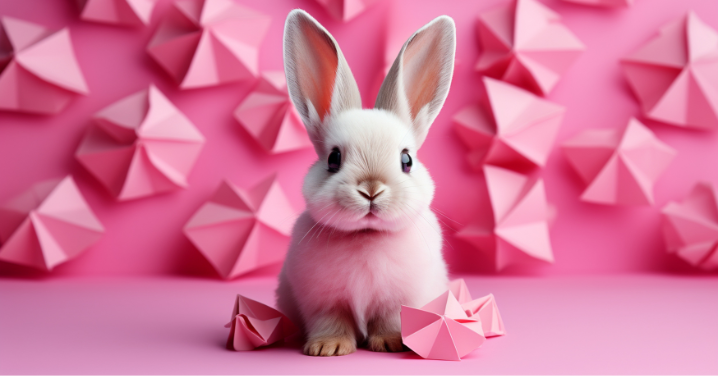
There are few creatures on Earth that look like they were designed by committee and approved purely on vibes. Bunnies fall squarely into that category. They look soft. They look harmless. They look like they would apologise if you bumped into them. And yet, beneath that polite exterior lives a highly tuned survival machine with opinions, memory, and legs that could win Olympic medals.
Bunnies are not just cute by accident. They are fascinating in ways that feel almost unfair. Here are twenty facts that will make you look at rabbits very differently next time one stares into your soul from behind a lettuce leaf.
Let’s start with the nose. A bunny’s nose can twitch more than a hundred times a minute. This is not a nervous tick. It is a highly efficient smell sampling system, constantly pulling in information about food, friends, danger, and whether that thing approaching is a hand or a mistake.
Then there is the binky. This is the bunny equivalent of pure joy. When a rabbit is happy, it launches itself into the air and twists its body like it has just won the lottery. No warning. No reason. Just vibes. If you ever see a bunny binky, know that you are witnessing peak emotional well-being.
Bunny teeth never stop growing. Ever. This is why rabbits chew constantly. Hay is not optional. It is dentistry. Without constant chewing, their teeth would grow too long and cause serious health issues. Cute, yes. Maintenance-heavy, also yes.
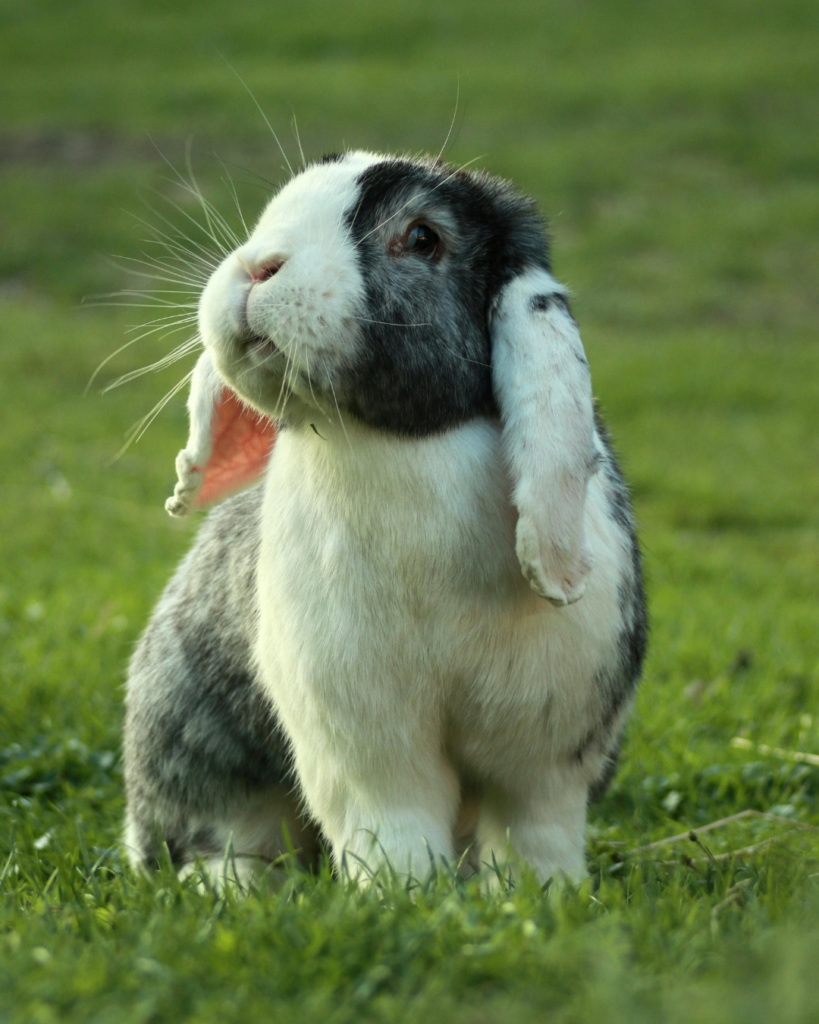
Those long ears are not just for decoration. Rabbits can rotate their ears almost all the way around, allowing them to listen in multiple directions at once. While you are trying to figure out where that sound came from, a bunny has already heard it, judged it, and decided whether to run.
When a rabbit sits tucked in with its paws hidden underneath its body, it is in what humans have affectionately named the loaf position. This means the bunny is relaxed, comfortable, and not planning an escape. It is the bunny equivalent of taking off your shoes at home.

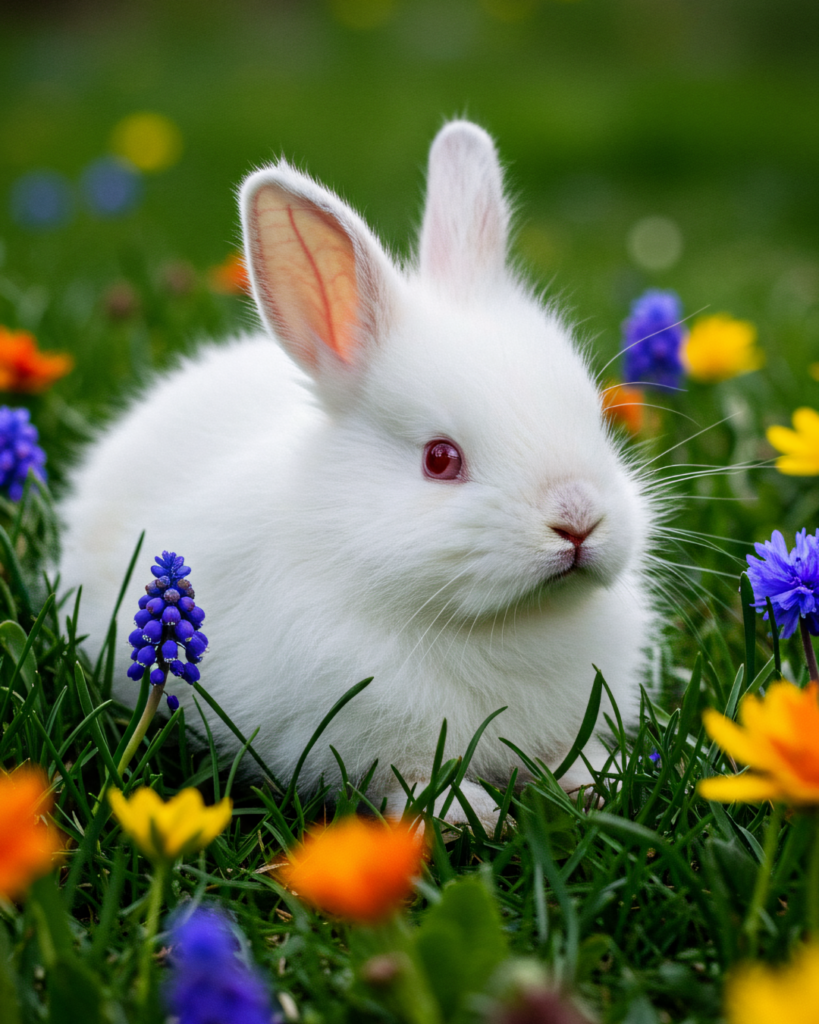
Rabbits are masters of silent communication. They do not bark, chirp, or meow. Instead, they use posture, ear angles, and nose movement to express feelings. A bunny does not need to shout. It simply adjusts its ears and lets the room know how it feels.
Teeth grinding in rabbits is not always a bad thing. Soft, gentle tooth grinding usually means contentment. This is the closest thing a bunny has to purring. Loud grinding, however, can indicate pain. Context matters. Always.
Their eyes sit on the sides of their heads, giving them an almost full panoramic view of the world. This helps them spot predators from nearly every angle. The trade-off is poor depth perception. Excellent awareness. Questionable judgement.
Rabbits are extremely clean animals. They groom themselves often and even groom other rabbits they trust. If a bunny licks you, congratulations. You have been emotionally accepted.
A group of rabbits is called a fluffle. This is not internet slang. This is a zoological fact. Science sometimes chooses joy.
Despite popular belief, rabbits can learn their names. They can also learn routines, commands, and exactly where you hide the treats. They are smarter than people give them credit for, and they absolutely know what they are doing.
Baby rabbits are called kits. They are born blind, hairless, and entirely dependent on their mother. They do not look cute at first. They look like tiny aliens. The glow up is dramatic.
Those powerful back legs are not just for show. Rabbits can jump several times their own height when necessary. They can also kick with enough force to seriously injure a predator. Fluff does not mean fragile.
Yes, rabbits can sleep with their eyes open. It helps them stay alert in the wild. It also means you will sometimes stare at your pet bunny, wondering if it is alive. It is. Probably.
The iconic bunny thump is a warning system. When a rabbit senses danger, it slams its back leg on the ground to alert others. It is the bunny version of a group chat alert.
Whiskers on rabbits are highly sensitive. They help them judge spaces and navigate in the dark. If the whiskers fit, the bunny fits. Mostly.
With proper care, rabbits can live ten years or more. They form deep bonds with humans and other rabbits. This is not a starter pet. This is a long-term relationship.
One of the most alarming yet wholesome bunny behaviours is the flop. A rabbit will suddenly collapse onto its side as if it has given up on life. It has not. This means it feels completely safe. It is the highest compliment.
Rabbits have excellent memories. They remember routines, people, and past experiences. They also remember grudges. Do not underestimate this.
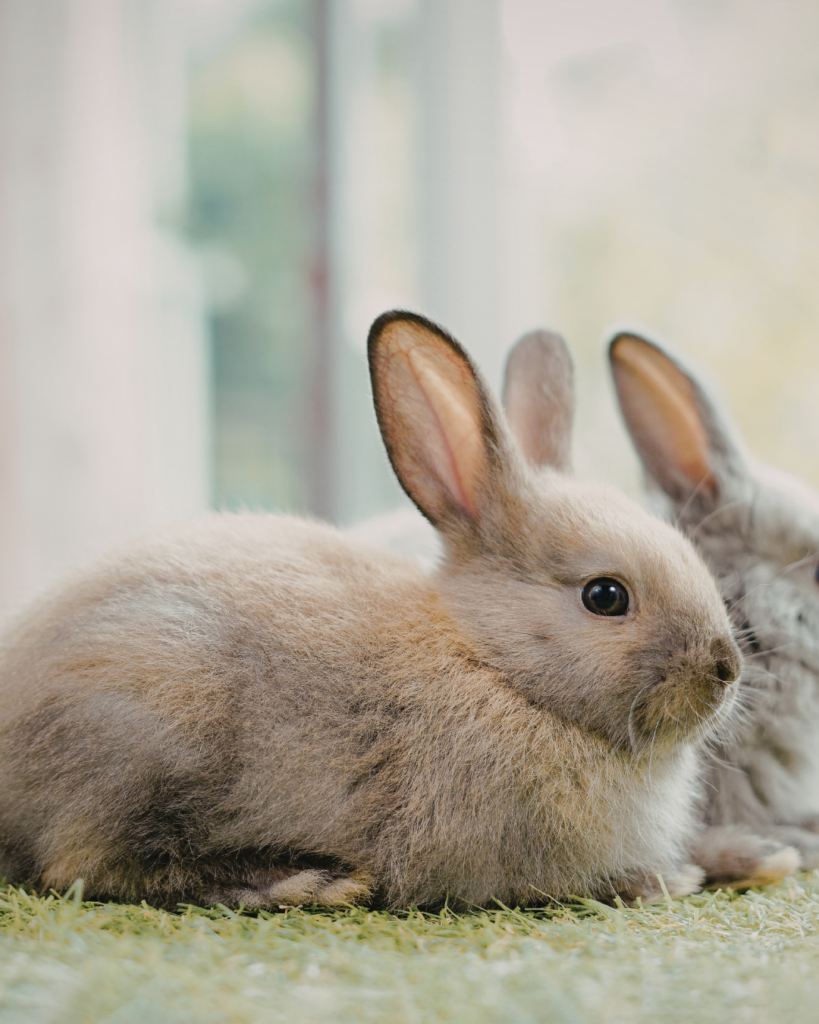
Despite their gentle reputation, rabbits have clear boundaries. When they do not want to be picked up, they will let you know. Respect is part of the deal.
Bunnies thrive on routine. They feel safest when their world is predictable. Chaos is not cute to a rabbit.
Above all, rabbits are social creatures. They need companionship, stimulation, and space to express natural behaviours. They are not ornaments. They are personalities in fur coats.
Bunnies may look like soft background characters in a woodland scene, but they are anything but simple. They are alert, emotional, clever little beings who just happen to look like walking marshmallows.
Respect the fluff.