

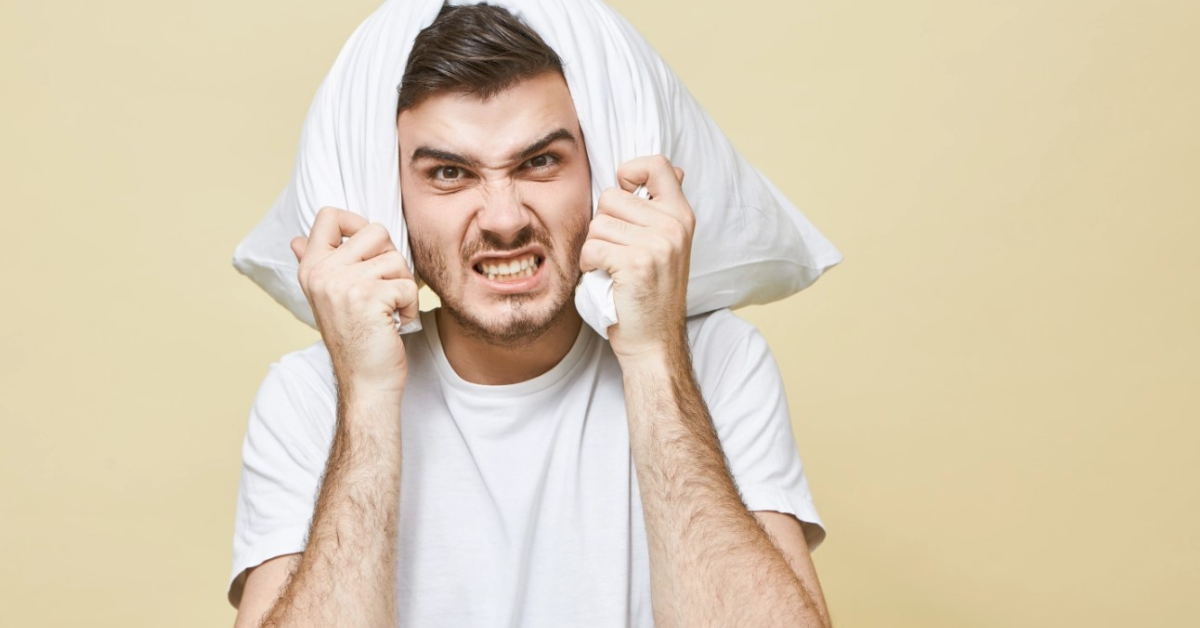
Have you ever wanted to karate-chop someone for loudly chewing their gum? Or felt an inexplicable rage bubble up because someone in the next room is sniffling like it’s an Olympic sport? Welcome to the wonderfully infuriating world of misophonia. No, it’s not made up. And no, you’re not just ‘sensitive’ or ‘being dramatic’. You might genuinely have something called Misophonia—literally meaning hatred of sound—and let me tell you, it’s as fun as it sounds.
Misophonia is a real (yet bizarrely under-researched) condition where everyday sounds trigger emotional reactions that range from mild irritation to full-blown fury. It’s not just “ew, I hate that noise”—we’re talking irrational, pulse-spiking, red-faced rage from something as innocent as someone chewing toast or clicking a pen. For many of us, it’s not a preference; it’s a biological ambush.
Now, before the term “Misophonia” was coined back in 2000, people just called it “being sensitive” or “neurotic”. Lovely, right? But the truth is, a whole lot of us experience this. And more people are finally realising that they’re not alone, not broken, and definitely not going mad. The brain just has a funky way of reacting to certain noises, and that’s that.
The wild thing? Everyone’s list of trigger sounds is a bit different. Here are just a few examples that have sent misophonia sufferers (myself included) straight into a rage spiral:
– Chewing
– Swallowing
– Slurping
– Pen tapping
– Throat clearing
– Snoring
– Sniffling
– Lip smacking
– Nose whistling
– Heavy breathing (yes, even that)
– Typing
– Paper rustling
– Clock ticking
– Birds chirping (they’re cute until they start at 4am)
– Doors clicking, slamming, or creaking
– And my personal hell: polystyrene
Yes, polystyrene. If you ever want to see me levitate out of my own body, just rub two pieces of that cursed material together. The sound doesn’t just annoy me—it paralyses me. It’s like my nerves are being electrocuted by static anxiety worms. Not poetic, but deeply accurate.
Another personal offender: a dripping tap. I once lay in bed listening to a rogue droplet echo through the night like it was personally mocking me. I ended up in a panic, frantically wrapping the tap in towels like I was trying to smother a crime scene. And don’t even get me started on doors that move ever so slightly because of a breeze—I will tape them shut. With rage.
The maddening part? People around us often don’t get it. They think we’re overreacting. But the response isn’t a choice—it’s physiological. That sound doesn’t just bother me. It invades my head, takes over my body, and demands a reaction. Afterwards, the guilt often creeps in: “Why did I snap at someone for breathing through their nose?” But in the moment, it feels justified—even if you know, deep down, it probably isn’t.
Researchers are still playing catch-up on what exactly causes misophonia, but here’s what they think might be going on:
– Brain stuff: People with misophonia show stronger connections between parts of the brain involved in sound and emotion. Basically, your brain hits the panic button faster than most.
– Genetics: It tends to run in families, so your dad’s rage at the neighbour’s lawnmower might not have been just about the lawn.
– Linked conditions: There’s a higher chance of misophonia in folks who live with anxiety, OCD, Tourette’s, or tinnitus. So if you tick multiple boxes, you’re not alone.
– Tinnitus crossover: If you already hear phantom ringing (hello, tinnitus), your brain might be on high alert for all sounds, not just the imaginary ones.
The good news? While there’s no “cure” (yet), there are ways to manage it. Some people use white noise machines to drown out trigger sounds. Others go for cognitive behavioural therapy (CBT), which helps you change the way your brain responds to those noises. In more extreme cases, people even wear noise-cancelling headphones in public just to survive a grocery shop.
Misophonia can be mild, or it can seriously impact your life. Some people need to rearrange their daily routines to avoid certain environments or sounds. Others have had friendships and relationships strained by it. If you’re in the latter group, you’re not broken—you just need tools. And probably some really good earplugs.
The bottom line is this: you don’t have to suffer in silence (ironic, I know). If this article feels uncomfortably familiar, speak to a medical professional. You deserve support. You’re not being “extra”. You’re navigating a very real sensory landmine. And once you start to understand it, it does get easier to manage.
And hey, if you enjoyed this post—or if you’re reading this while hiding from someone loudly crunching apples—consider buying me a coffee. Or better yet, send me some polystyrene so I can emotionally combust and blog about it. Your support means the world.