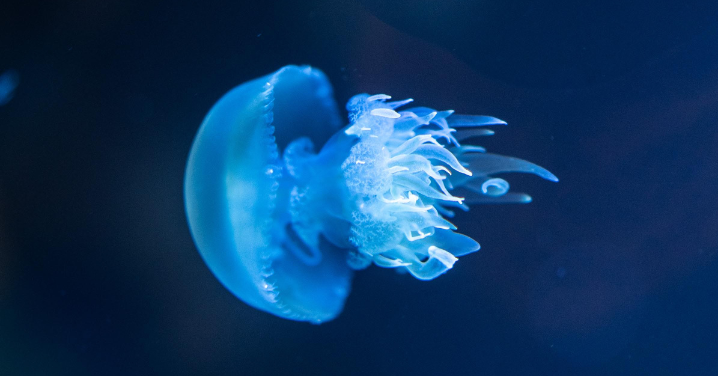


Imagine walking along a dark beach at night when the waves suddenly light up with an eerie blue glow, as if the sea itself has secrets to tell. That magical shimmer isn’t fantasy—it’s science. Bioluminescence is nature’s version of a glow stick, and it’s every bit as fascinating as it is beautiful. From glowing jellyfish to fireflies blinking like tiny lanterns in your garden, bioluminescent organisms are scattered all over the planet, lighting up the deep sea, damp forests, and even the occasional cave ceiling like a star-studded show just for us.
So, what actually causes this glow? Bioluminescence is the result of a chemical reaction involving a light-emitting pigment called luciferin and an enzyme known as luciferase. When these two meet—often in the presence of oxygen—they produce light. Some organisms do it on their own, while others rely on symbiotic bacteria to get their glow on. The cool part? The light they emit is “cold light,” meaning it doesn’t give off heat. It’s like nature figured out energy-efficient lighting long before humans caught up.

Marine environments are especially full of glow-in-the-dark magic. In fact, the majority of bioluminescent species live in the ocean. We’re talking about deep-sea fish with glowing lures to attract prey, squid that light up to confuse predators, and plankton that flash when disturbed—basically the ocean’s built-in burglar alarm system. Some species use bioluminescence for communication, others for camouflage. It’s not just pretty—it’s practical.
One of the most famous examples is the anglerfish, lurking in the dark depths with its glowing lure dangling above its head. That creepy charm is actually a bacterial light show meant to draw in unsuspecting prey. The flashlight fish uses bioluminescent patches under its eyes like headlights, and the vampire squid (which sounds like a B-grade horror film but is a real thing) uses bioluminescent displays to startle predators and make a clean getaway.
On land, bioluminescence tends to be more about courtship than combat. Fireflies use it to find love, each species flashing a distinct pattern that helps potential mates find each other in the dark. Certain fungi, like the aptly named “foxfire,” emit a gentle greenish glow, earning them nicknames like fairy fire or ghost mushrooms. They light up the forest floor like something out of a children’s book, but the glow actually serves to attract insects that help spread their spores.
Even in South Africa, we’re not left out of the bioluminescent party. Some species of fungus gnats (tiny insects) in caves and forests give off a soft glow, creating a surreal twinkle in the darkest corners of nature. They’re not as famous as fireflies or jellyfish, but they add their own charm to the glowing cast.
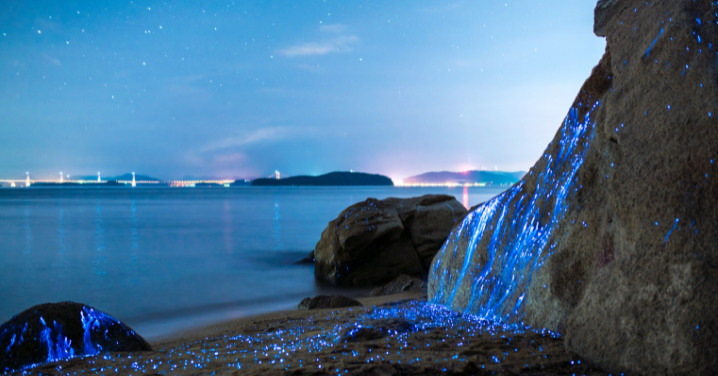
What’s perhaps most astonishing is how scientists are harnessing this natural phenomenon. Bioluminescence has become a powerful tool in medical and genetic research. Genes from glowing jellyfish have been used to tag cells and track changes in living tissue—kind of like highlighting text in a biological notebook. It’s helping us understand cancer, brain function, and even the spread of diseases.
There’s something poetic about it, too. In a world obsessed with screens and artificial brightness, bioluminescence reminds us that the natural world has been glowing all along—no electricity required. It’s a quiet kind of wonder. Unshowy, uncommercial, and totally organic.
So next time you see a flicker of light in a dark forest, or hear stories of glowing waters and shimmering insects, take a moment to appreciate what’s really going on. It’s not magic. It’s chemistry, evolution, and the result of millions of years of trial and glowing error. And unlike fairy lights, this glow is alive.