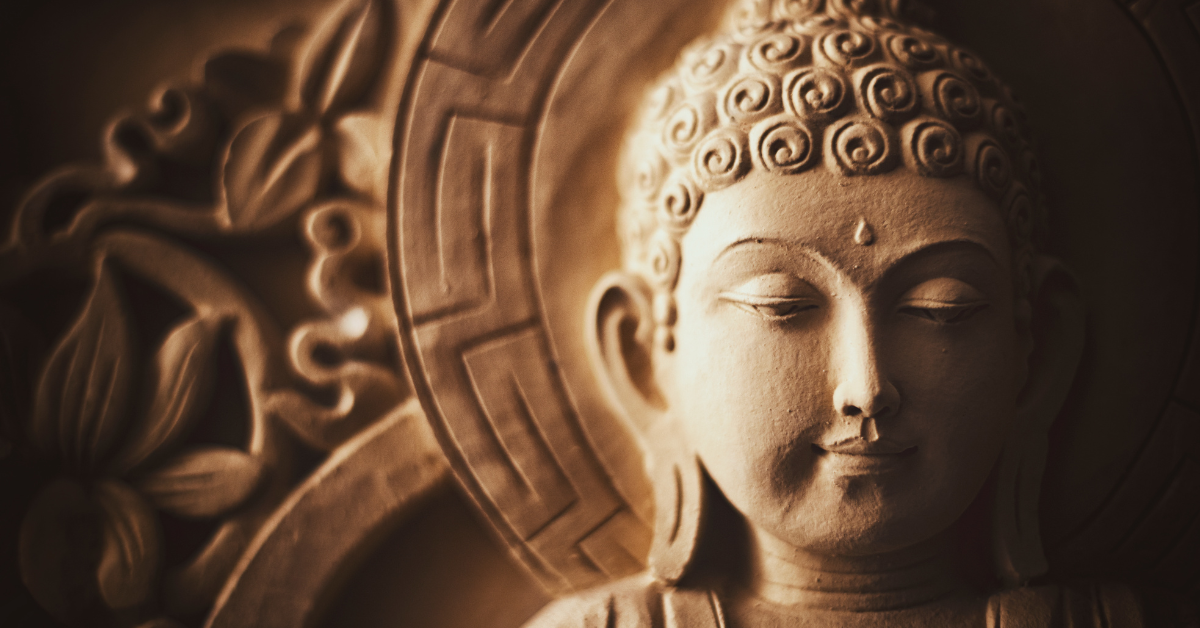
The tale of Buddha, also known as Siddhartha Gautama, stands as one of the most influential and enduring narratives in the annals of religious history. The birth of Siddhartha into a royal family in the age-old civilisation of India marked the beginning of an extraordinary journey. Siddhartha, noted for his intelligence and curiosity from a young age, found the gilded trappings of wealth and luxury to be lacking depth and meaning. As a young man stirred by internal disquiet, Siddhartha courageously chose to relinquish his royal privileges.
He embarked on a spiritual quest, seeking enlightenment and the answers to life’s profound questions. This quest initially led him to tread the path of asceticism, during which he practised extreme forms of fasting and meditation over a span of six years.
However, this path of self-denial and harsh discipline soon revealed itself to be a dead end to Siddhartha. He came to recognise that neither self-indulgence nor self-mortification led to true enlightenment. Instead, he embraced the ‘middle way’, a path of equilibrium that espouses a balanced approach to life, striking a harmonious chord between indulgence and denial.
Siddhartha’s journey culminated under a fig tree, now revered as the Bodhi tree. It was here that he achieved enlightenment, stepping into the enlightened role of the Buddha, translated as ‘the awakened one’. From that transformative moment onwards, Buddha devoted his life to sharing his wisdom, teaching the path to enlightenment, and guiding others towards inner peace and fulfilment.
The story of Buddha is a tapestry woven with threads of wisdom, compassion, and profound spiritual insight. This timeless narrative continues to inspire and guide millions globally. When you encounter the name Buddha, take a moment to remember the remarkable odyssey of this extraordinary individual and the deep, lasting impact his teachings have left on the world.
-End

Enjoyed the read? Follow me!