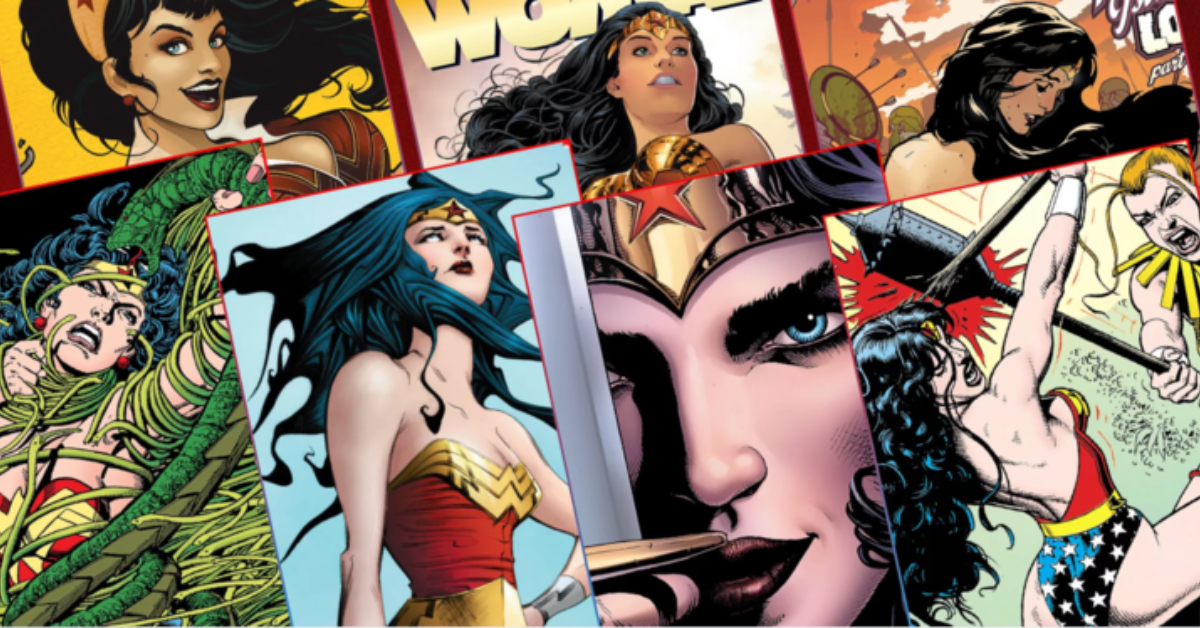
Let’s embark on a journey, back in time, to December 1941, when the very first comic strip featuring an unusual heroine was unveiled in All-Star Comics #8. A fierce Amazonian warrior, she was a refreshing deviation from the macho, male-dominated superhero landscape of the era. This was none other than Wonder Woman, an iconic character brought to life by the brilliant mind of William Moulton Marston, an American psychologist turned writer.

If you leaf through the pages of Wonder Woman comics, you’ll find Diana, as she was originally christened, cocooned within the mythical tapestry of Greek lore. Diana, moulded from clay by the deft hands of Queen Hippolyta and animated by the divine powers of the gods, was born into the tribe of Amazons. These were no ordinary women; they were formidable warriors, reigning over the island of Themyscira.
But the real magic unravels when you delve deeper into the inspiration behind this fantastic character. Marston’s personal life and radical beliefs were the springboard for the conception of Wonder Woman. Living in a polyamorous relationship with his wife, Elizabeth Holloway Marston, and their mutual partner, Olive Byrne, Marston was surrounded by strong, independent women. These women, Elizabeth and Olive, with their trailblazing spirits, breathed life into the character of Wonder Woman.
A staunch advocate of women’s rights, Marston envisaged a world where women reigned supreme. In his eyes, Wonder Woman was more than just a character; she was a symbol, a beacon of womanhood’s immense potential. He dreamed of a world where women, through their strength and superiority, would rise as agents of peace and equality.
When Wonder Woman exploded onto the scene, she shattered the glass ceiling in the realm of comics. As one of the earliest female superheroes, she resonated with fans across the globe. The image of Wonder Woman was a mesmerising blend of courage, independence, and resilience. Unflinching in her beliefs, she rose as a symbol of female empowerment, a legacy that reverberates across the corridors of comic history and beyond.
Wonder Woman was not just a character; she was a revolution. She defied gender stereotypes, providing a role model for women in a genre dominated by muscular males. Marston envisioned Wonder Woman as an embodiment of love, truth, and fairness. She was a different breed of hero, one who did not rely on brute force but the power of her values.
Throughout the decades, Wonder Woman’s character evolved, bending to the will of shifting societal norms and cultural perspectives, yet always remaining relevant. She stood shoulder to shoulder with the Justice League, fought for justice as a secret agent, and even donned the mantle of a United Nations ambassador.

The story behind Wonder Woman’s creation is a testament to Marston’s progressive mindset and unwavering belief in women’s capabilities. With his psychological insights and creative prowess, he crafted a character that continues to inspire and empower generations. Wonder Woman, with her towering strength, unyielding resilience, and indomitable spirit, remains a symbol of Marston’s legacy and his unwavering faith in the power of women.

Enjoyed the read? Follow me!