

Coffee is not what you think it is. You believe it is a drink. It is actually the seed of a fruit, and that fruit is delicious. Yes, you can eat the cherry. The entire coffee cherry is sweet and edible, and while you have been obsessing over the bean, farmers have been throwing away the actual fruit. The pulp tastes vaguely tropical. Nobody talks about this.
Here is something genuinely wild: your coffee plant needs three to four years before it produces a single bean. You cannot rush coffee. A coffee farmer plants a seed and waits four years, just hoping it survives. Then it produces beans for about twenty years. Then it dies. That is the entire arc of a coffee plant’s existence, and we just casually brew it into existence without thinking about the time investment.
Coffee was banned. Multiple times. In Ottoman Turkey, coffee was banned because authorities thought it was making people too social and organised. In Mecca, it was briefly forbidden as un-Islamic. In Sweden, King Gustav III literally banned coffee because he thought it was dangerous. He was so convinced he forced two prisoners to drink it instead of executing them just to see if it would kill them. One outlived the king. The other outlived him, too, eventually. Coffee won.
The caffeine in coffee does not actually give you energy. This is the part that will disturb you. Caffeine does not create energy; it blocks adenosine receptors in your brain. Adenosine is a compound that makes you feel tired. Caffeine basically tricks your brain into not noticing that you are exhausted. You are not more awake. You are just not feeling the tiredness. Your body is still tired. You are just lying to yourself on a cellular level. Every morning, you are chemically gaslighting yourself.
But here is the secret weapon: the coffee nap. Drink coffee, then immediately take a twenty-minute nap. By the time you wake up, the caffeine has kicked in AND your brain has cleared out the adenosine buildup. You wake up genuinely energised, not just tricked. It is witchcraft. It works every single time.
People metabolise caffeine at wildly different rates based on genetics. Some people are “fast metabolisers,” and caffeine runs through their system in hours. Others are “slow metabolisers,” and caffeine stays in their system for twelve-plus hours. This is why some people can drink coffee at dinner and sleep fine, while others cannot drink it after noon. It is not weakness or willpower. It is literally your genetics. Blame your parents.
The coffee you drink affects your sleep architecture even if you do not consciously feel tired. A study showed that people who drank caffeine six hours before bed slept worse, had more fragmented sleep, and felt less rested, but they did not feel like they were being kept awake. Caffeine was just quietly ruining their sleep while they thought they were fine. Your body was suffering, and your brain was like, “Everything is normal, do not worry about it.”
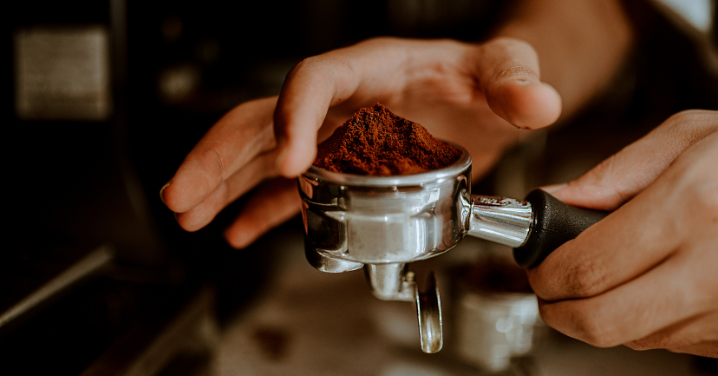
Espresso is not a type of bean. This is a lie people believe. Espresso is a method of extraction using high pressure (nine bars of pressure, specifically) to force hot water through finely ground coffee in nine seconds. Any coffee bean can be espresso if you use the right machine. The reason espresso tastes different is physics, not the bean.
Decaf coffee is a scam. It still has caffeine. Depending on the method, decaf coffee can contain anywhere from 8 to 14 percent of the caffeine of regular coffee. It is not caffeine-free; it is just “reduced caffeine.” Companies can technically call it decaf because there is no legal standard for what decaf means. You are being lied to.
Instant coffee was invented during World War One as a way to give soldiers caffeine in a portable form. It was later commercialised and turned into the stuff you find in jars. It is just brewed coffee with the water removed. Nothing fancy. Nothing natural. Just… dehydrated coffee. And yet, somehow, it tastes like sadness.
There are over 1,800 chemical compounds in coffee that we have identified. Wine has about 600. Coffee is chemically more complex than wine, but we do not have a culture of swirling coffee in glasses and discussing its terroir the way we do with wine. Although some places are trying. The “third wave” coffee movement treats coffee like wine: single-origin beans, specific brewing temperatures, tasting notes that sound pretentious but are actually scientifically accurate.
Coffee can be used as a natural dye. It produces a warm brown colour that is actually fairly permanent. People dye fabric and paper with used coffee grounds. It is free, it is sustainable, and it looks beautiful. Meanwhile, you are throwing away perfectly good dye.
Turkish coffee fortune telling (tasseomancy) is a genuine tradition that goes back centuries. You drink Turkish coffee, flip your cup onto your saucer, let it cool, and then someone reads the patterns in the grounds. It is not magic, but it is culture, and it is beautiful.
Cold brew coffee has a different caffeine profile than hot coffee. The same grounds, the same beans, brewed differently, create different chemical extractions. Cold brew has more caffeine per volume than hot coffee because the extended steep time extracts more caffeine. Hot coffee extracts more oils and acids. This is why they taste completely different even though they are technically the same product.
Coffee can be used medicinally. Studies show that moderate coffee consumption (three to four cups daily) is linked to lower risks of Parkinson’s disease, type 2 diabetes, certain cancers, and liver disease. Your coffee habit might literally be keeping you alive. Of course, too much caffeine still has negative effects, but the sweet spot seems to be three to five cups. The amount most people already drink.
The most expensive coffee in the world is not Kopi Luwak (which comes from civet poop). It is actually a specific batch of Ethiopian Yirgacheffe or Jamaican Blue Mountain that sold at auction. Some of the most exclusive coffees are single-lot, single-harvest beans from specific microclimates that only produce a few kilograms per year. One cup can cost $100. You are not paying for taste; you are paying for scarcity and the story.
Coffee production is devastating some ecosystems. Coffee farming has led to deforestation in tropical regions, destroying habitats for birds and other wildlife. This is why “bird-friendly” certification exists. Coffee was originally grown in the shade of larger trees in rainforests. Industrial coffee farming clear-cuts the rainforest and grows coffee in direct sunlight, which requires more water, more pesticides, and destroys the ecosystem completely.
The coffee industry produces enough waste to be a genuine environmental crisis. Coffee cherry waste, processing water pollution, packaging, and used grounds are creating massive problems. But this is also an opportunity: used coffee grounds can be composted, used as fertiliser, made into biofuel, used in skincare products, or used as a natural cleaning agent. Your used grounds are treasure.
Coffee shops became the original social networks. Before the internet, people gathered in coffeehouses to exchange ideas, news, and information. The Enlightenment was basically planned in coffeehouses. The internet exists because coffee existed first. Coffeehouses were where revolutionaries met, where artists collaborated, where ideas were born. Your local coffee shop is part of a tradition that literally shaped the modern world.
So the next time you drink coffee, remember: you are consuming a complex seed from a fruit that took years to grow. You are chemically blocking your brain’s perception of exhaustion. You are potentially protecting yourself against disease. You are participating in a tradition that shaped global politics and commerce. You are probably ruining a rainforest ecosystem and contributing to deforestation, unless you bought fair-trade bird-friendly coffee. You are also holding a cup of something that literally changed the course of human history.
That is just coffee. That is what you do every morning without thinking about it.